
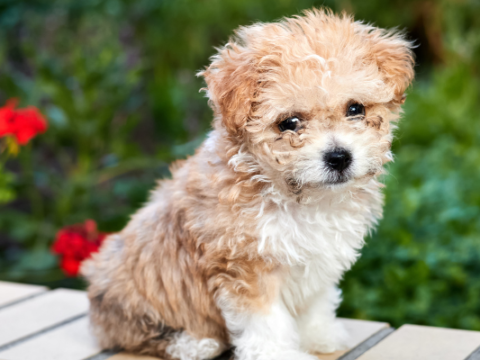
Maltipoos are an adorable and popular hybrid dog breed that has captured the hearts of many dog lovers around the world. These cute little dogs are a cross between a Maltese and a Poodle, bringing together the best traits of both parent breeds. Known for their intelligence, friendly temperament, and low-shedding coat, Maltipoos make great pets for families, singles, and seniors alike.
The Maltipoo is cherished for its affectionate nature, often forming strong bonds with their owners and thriving on attention and companionship. They are easy to train thanks to their intelligence, which is inherited from both the Maltese and Poodle breeds. Maltipoos require regular grooming to maintain their beautiful, hypoallergenic coat, as well as daily exercise to keep them healthy and happy.
Key Takeaways
- Maltipoos are a loveable hybrid dog breed resulting from crossing a Maltese and a Poodle.
- They are intelligent, friendly, and have low-shedding coats, making them great pets for many different types of households.
- Regular grooming, exercise, and companionship are essential to keep your Maltipoo happy and healthy.
Understanding the Maltipoo
Origin and History
Maltipoos are a delightful little hybrid breed created from the Maltese and Poodle. The origins of the dog breeds involved date back centuries, with the Maltese hailing from the island of Malta and the Poodle from Germany or France. The Maltipoo, however, was developed as a designer dog breed more recently, primarily in the United States. The aim was to combine the winning traits of both the Maltese and Poodle, resulting in an affectionate, intelligent, and low-shedding companion.
Appearance
As a mixed breed dog, Maltipoos can vary in appearance, but they are generally small in size, weighing between 5 to 20 pounds depending on the Poodle parent’s size. Their coat types might consist of one or more of the following:
- Wavy
- Curly
- Silky
Maltipoos come in a variety of colours, such as:
- Cream
- White
- Black
- Silver
Bear in mind that despite their hypoallergenic reputation, Maltipoos can sometimes develop White Shaker Syndrome, a neurological disorder causing tremors and unsteadiness.
Temperament
Maltipoos make excellent companion dogs; they are affectionate, intelligent, and sensitive to their owners’ needs. Able to adapt to a variety of living environments, they are a great choice for families, or anyone looking for a loyal companion. However, like any breed, they do have a few quirks:
- Activity: Although small in size, Maltipoos are still active and agile, requiring daily exercise and mental stimulation. Providing toys and opportunities for play is essential for their well-being.
- Barking: Maltipoos can be prone to barking when they hear noise, so it’s crucial to establish a firm training foundation to discourage excessive barking.
- Socialisation: Early socialisation and interaction with other dogs and people will help your Maltipoo develop balanced behaviours and decrease shyness or nervousness.
Caring for Your Maltipoo
Nutrition and Diet
Feeding your Maltipoo a healthy and balanced diet is essential for their overall wellbeing. Your puppy’s diet should include high-quality dog food, either commercially prepared or homemade under your veterinarian’s guidance. Be sure to consider the following factors when choosing food:
- Age: Puppy, Adult, or Senior
- Size: Small dog formulas
- Activity level: Energy and calorie needs
Here’s a suggested daily feeding schedule for maltipoos:
| Age | Meals per day | Amount per meal |
|---|---|---|
| Puppy | 3-4 | 30g-60g |
| Adult | 2 | 50g-75g |
| Senior | 2 | 40g-65g |
Remember to provide fresh water throughout the day and avoid feeding your maltipoo too many treats, as it can lead to obesity.
Exercise Requirements
To keep your Maltipoo happy and healthy, they need daily exercise. Although maltipoos are adaptable and can adjust to various activity levels, offering at least 30 minutes of exercise per day is advised. Some activity suggestions include:
- Leisurely walks
- Playtime in the garden
- Interactive toys
- Puzzle games
Regular exercise helps to prevent health issues such as obesity, heart disease, and arthritis.
Grooming and Hygiene
Maltipoos require regular grooming to maintain their beautiful coat and keep them looking their best. Although they are considered hypoallergenic, they can still produce little shedding and dander. Stick to the following grooming routine:
- Brushing: Daily brushing with a soft-bristle brush is best for detangling the coat and removing loose hair.
- Bathing: Bathe your Maltipoo every 4-6 weeks, using a gentle dog shampoo and conditioner to keep their coat soft and free from matting.
- Trimming: Clippers or scissors can be used to trim the coat quarterly or as needed, depending on your Maltipoo’s coat type.
Health and Wellness
As a responsible pet owner, it’s essential to be aware of the common health concerns for your Maltipoo. Visit your vet regularly for check-ups and vaccinations. Key health issues to monitor include:
- Patellar luxation
- Epilepsy
- Arthritis
Additionally, keep your Maltipoo’s skin and coat healthy by checking and grooming regularly. Ensure they receive annual worming treatments and consult with a vet if any skin issues arise. By providing the proper care, you will contribute to a happier and healthier life for your Maltipoo.
Socialisation and Training
Training Your Maltipoo
Thanks to the intelligence inherited from both their parents, these dogs tend to be easy to train.
Begin by preparing a cosy space for your Maltipoo, with a comfortable dog bed to retreat to when they’re tired. Start their training with simple obedience exercises, such as sit, stay and come:
- Begin with positive reinforcement, rewarding good behaviour with treats and praise.
- Use consistency in commands and treats.
- Limit sessions to about 10-15 minutes to avoid exhausting your puppy.
As with most breeds, early training is key to ensure they develop into well-behaved, happy dogs. Note that if your Maltipoo tends to have excessive barks, you can also train them to be quieter with consistency and patience.
Socialisation
Alongside obedience training, it’s crucial to socialise your Maltipoo, especially with children, other pets, and various environments. The temperament of Maltipoos makes them great for families and seniors, as they’re generally known for being good with kids.
Here are some steps for socialising your Maltipoo:
- Introduce them to a variety of people and environments, always going at their pace.
- Allow them to meet other dogs and pets, ensuring supervised and positive experiences.
- Encourage gentle play with children, reinforcing positive interactions and setting boundaries for both the dog and child.
Bear in mind that Maltipoos can suffer from separation anxiety. To prevent this, gradually increase the time they spend alone, providing a safe and comfortable space for them to relax.
Living with a Maltipoo
Home Environment
Maltipoos are adaptable dogs, making them well-suited for various home environments. Whether you live in an apartment or a house in the city, they can easily adjust to their surroundings. Since Maltipoos are a smaller breed, their size allows them to live comfortably in compact spaces. However, it’s still important to provide them with designated spaces for sleeping, eating, and playing to ensure their comfort and happiness. Some helpful home features to consider include:
- A comfortable bed
- Toys for mental stimulation
- Secure outdoor space (if possible)
Maltipoo as a Family Dog
Maltipoos are often chosen as a family dog because they’re known for being extremely affectionate and excellent companions. They’re especially great with children, offering gentle play and forming strong bonds with family members. Their loving nature makes them ideal for seniors who desire a loyal companion to cuddle with. Maltipoos’ friendly disposition also extends to other pets, making them excellent companions for existing furry friends in the home.
While Maltipoos are known for being great to have around, it’s still important to supervise interactions between the dog and young children. Teaching kids to handle the dog gently can help prevent any unintentional harm to either party due to their small size and delicate nature.
Lifestyle Compatibility
One of the many reasons Maltipoos are increasingly popular as companion dogs, even among celebrities, is their compatibility with a wide range of lifestyles. They’re an active breed that enjoys daily walks and playful activities but are also content with cuddles on the sofa.
Maltipoos typically require 30-60 minutes of daily exercise to keep them happy and healthy. Here’s a list of activities they might enjoy:
- Walking or gentle jogs
- Fetch
- Indoor hide-and-seek
- Tug-of-war
- Puzzle toys for mental stimulation
Frequently Asked Questions
How much is a typical Maltipoo puppy?
A typical Maltipoo puppy can cost anywhere from £1,000 to £2,500, depending on factors such as the breeder’s reputation, location, and the puppy’s lineage. Remember, it’s essential to research and choose a responsible and reputable breeder to ensure you bring home a healthy and happy puppy.
What are some advantages and disadvantages of owning a Maltipoo?
Advantages:
- Maltipoos are known for their loving and affectionate nature, making them excellent companions.
- They are adaptable and can adjust well to various living situations, including apartments and homes with or without yards.
- They are low-shedding and hypoallergenic, making them a suitable pet for those with allergies.
Disadvantages:
- Maltipoos can suffer from separation anxiety and may not be the best choice for someone who is away from home for long periods.
- They may require frequent grooming to maintain their coat’s health and appearance.
- As a mixed breed, Maltipoos may inherit health issues from both Maltese and Poodle breeds.
Can Maltipoos adapt well to living indoors?
Yes, Maltipoos are known to adapt well to living indoors, including in smaller spaces such as apartments or flats. They are small in size and do not require extensive amounts of exercise, making them suitable for an indoor lifestyle. Regular walks and interactive play sessions should suffice to meet their exercise needs.
What is the average lifespan of a Maltipoo?
The average lifespan of a Maltipoo is between 12 and 15 years. With proper care, including a nutritious diet, regular exercise, and routine vet check-ups, your Maltipoo can live a long and healthy life.
Are there any common health issues associated with Maltipoos?
Maltipoos may inherit health concerns from their parent breeds, the Maltese and the Poodle. Some common health issues to be aware of include:
- Patellar luxation
- Hip dysplasia
- Progressive retinal atrophy
- Epilepsy
Do Maltipoos tend to be vocal?
Maltipoos may inherit a tendency to be vocal or bark from their Maltese lineage. However, this trait can vary between individual dogs. Proper training and socialization from an early age can help reduce excessive barking and teach your Maltipoo to be well-behaved.
