

For dog owners, their pet’s safety and well-being should be a top priority. I know our Cavapoo Lola is part of the family in our house, and we take her safety very seriously. Making sure that dogs are happy, healthy, and secure is an essential part of being a responsible pet parent.
As with most things, the best way to keep your dog safe is to take some preventative measures. Just as you would take steps to safeguard your home from potential dangers, it’s crucial to make sure you’ve addressed any hazards that could jeopardise your dog’s well-being. From puppy-proofing your home to doggy first aid, there’s always something you can do to keep your beloved pooch out of harm’s way.
As well as physical safety measures, you also need to think about your dog’s mental and emotional well-being. Providing regular exercise, mental stimulation, and a consistent routine will help them live a happy, well-balanced life.
There’s a lot to think about isn’t there?! That’s why taking on a dog needs some serious thought before diving in.
Understanding Your Dog’s Basic Needs
Nutrition plays a significant role in ensuring the safety and well-being of your dog. Just like humans, dogs need a well-balanced diet to keep them in tip-top health. Every dog’s dietary needs will vary depending on factors like age, breed, and activity level.
A healthy diet for dogs typically consists of:
- Protein (meat, fish, or poultry)
- Carbohydrates (rice, pasta, or potatoes)
- Fats (oils, fish, or meat)
- Vitamins and minerals (fruits, vegetables, and supplements if necessary)
When it comes to exercise, your dog needs a suitable amount to stay fit and happy. Regular walks, playtime, and mental stimulation are all important for your dog’s physical and emotional well-being. Each dog is unique, so adjust exercise times according to your dog’s energy levels and breed.
Fresh water is also crucial for your dog’s overall health. Always make sure that your furry friend has access to clean, fresh water. Clean and refill water bowls regularly to keep your dog hydrated and avoid any contaminants.
Lastly, keeping your dog’s living space clean and comfortable promotes good health and well-being. Clean bedding, grooming, and parasite prevention are vital to keep your dog in top shape.
The Importance of Regular Exercise
Regular exercise is essential for your dog’s physical and mental well-being. It helps maintain a healthy weight, reduces the risk of various health issues, and provides mental stimulation and enrichment.
Indoor vs Outdoor Exercise
Both indoor and outdoor exercises have their advantages, and it’s a good idea to strike a balance for your dog’s overall well-being. Our cavapoo doesn’t like rainy or windy conditions, so on days when the weather isn’t the best, we occupy her indoors instead of taking her out for a walk.
Exercise for Puppies
Puppies are naturally energetic and curious creatures. However, you do need to be careful to ensure they don’t overexert themselves. Their bones and joints are still developing at this stage, so you need to make sure they don’t overdo it.
- Introduce exercise gradually, increasing the duration and intensity over time.
- Prioritise mental stimulation with toys, chews and puzzles.
- Limit high-impact activities like jumping and running on hard surfaces as their joints are still developing.
- Monitor your puppy’s body language to ensure they are not overwhelmed or fatigued.
Exercise for Senior Dogs
As your dog gets older, their exercise needs change. Adjusting their routine will help maintain their health without causing unnecessary strain.
- Choose low-impact exercises such as swimming, which provides joint relief while maintaining muscle strength.
- Reduce the intensity and duration of exercise sessions.
- Continue providing mental stimulation through indoor activities to keep their mind sharp.
- Regularly monitor your senior dog’s health and be ready to adapt their exercise routine accordingly.
Nutrition and Diet
Feeding Your Dog
Proper nutrition is really important for your dog’s overall health and well-being. You need to feed your dog the right amount of food according to their age, size, and activity level. For instance, puppies need more frequent meals and different nutrients than adult dogs. Make sure to split their daily food allowance into multiple meals:
- Puppies (under 6 months): 3-4 meals a day
- Older puppies (6 months to a year): 2-3 meals a day
- Adult dogs (1 year or older): 1-2 meals a day
Keep an eye on your dog’s weight, as obesity can lead to lots of health issues. Regular vet check ups can help here as your vet will be able to tell you whether your dog is a healthy weight and what to do if not.
Choosing the Right Dog Food
Choosing the right dog food is crucial to make sure your dog gets the nutrition they need.
- Age and life stage: Look for dog food specifically formulated for your dog’s age, such as puppy, adult, or senior formulas.
- Nutritional content: Ensure the dog food provides a complete and balanced diet.
- Ingredient quality: Look for high-quality, easily digestible ingredients, including a good source of protein as the first ingredient.
- Avoid harmful additives: Steer clear of artificial flavours, colours, and potentially harmful preservatives.
Reading the label is a good way to find out if a dog food is suitable. If you’re unsure, speak to your vet for recommendations.
Treats and Snacks
Who doesn’t love treating their dog now and then? While treats can be a great training tool and a way to show your pet some love, treats need to be given in moderation. Make sure you provide healthy options and avoid going overboard. Don’t give in to those puppy dog eyes!
- Treats should account for no more than 10% of your dog’s daily calorie intake.
- Choose low-calorie and nutrient-dense options, such as carrots or green beans.
- Watch your pet’s treat consumption and adjust their food intake if necessary to avoid obesity.
Healthcare and Vaccinations
Routine Check-Ups
Taking your dog for a regular check up should become part of your routine. Our vet offers annual health checks done at the same time as vaccination boosters. This ensures they’re in good health and helps in early detection and treatment of potential health issues. Here are a few key things your vet will keep an eye on (and you should too):
- Weight: Keep track of your dog’s weight and make adjustments to their diet accordingly.
- Oral care: Check their teeth and do not forget to give them dental chews or even brush their teeth.
- Parasite prevention: Keep up-to-date with flea, tick, and worming treatments.
- Eyes, ears, and claws: Regularly examine your dog’s eyes, ears, and claws for any abnormalities.
Core Vaccinations
Vaccinations are an essential part of protecting your dog against common and severe diseases. Core vaccines are those recommended for all dogs, while non-core vaccines depend on your dog’s risk factors. Speak to your vet to find out which vaccines your dog should have.
Common Illnesses
Here are a few common illnesses that can strike your dog:
- Cancer: Carefully monitor your dog for any abnormal lumps or masses that may be a sign of cancer. Make sure to speak to your vet if you notice any that are growing or changing.
- Heartworm: Prevent this condition with regular heartworm treatments, and speak to your vet if you suspect any symptoms.
- Diabetes: Keep an eye on your dog’s diet to manage diabetes and reduce the risk of related complications.
- Liver Disease: Typical symptoms include loss of appetite, weight loss, vomiting, excessive thirst, or jaundice.
- Prostate Disease: If your dog is a male, this can lead to complications such as urinary infections, constipation, or even cancer.
Grooming and Hygiene
Bathing and Grooming Your Dog
Regularly bathing and grooming your dog is crucial for maintaining their overall health. A well-groomed pet is less likely to suffer from skin issues and parasites like fleas and ticks. Use a pet-safe shampoo and conditioner, and always rinse thoroughly to avoid skin irritation.
When it comes to brushing your dog’s coat, choose the appropriate type of brush for their specific coat type. Regular brushing promotes a healthy, tangle-free coat while also reducing shedding. Don’t forget to trim those nails as well! Regular nail trimming can prevent nail issues and makes walking more comfortable for your furry friend.
Dental Care
Dental care is often overlooked but is important for your dog’s overall health. Regular tooth brushing, using a dog-specific toothpaste, can help prevent tartar buildup and bad breath. You could think about providing dental chews or toys designed to help clean your dog’s teeth too.
| Dental Care Tips | Frequency |
|---|---|
| Tooth Brushing | 2-3 times/week |
| Dental Chews/Toys | 1-2 times/week |
| Professional Cleaning | 1-2 times/year |
Ear and Eye Care
Ear care is essential, particularly for dogs with floppy ears like most doodles or a history of ear infections. Make sure to regularly check your dog’s ears for any signs of inflammation, discharge, or dirt buildup. Use a gentle ear-cleaning solution to clean the outer parts of the ears and prevent infections.
For eye care, keep an eye on any discharge, redness, or irritation. If you notice any of these issues, you should consult your vet for advice. Regularly trim the hair around their eyes to ensure that it doesn’t obscure their vision or cause irritation, especially for long-haired breeds.
Safety Measures and Preventing Accidents
GPS Tracking
Invest in a GPS tracker for your dog’s collar to keep tabs on their location. This device lets you monitor your dog’s whereabouts, especially if they have a habit of wandering off. It’s particularly helpful during walks in unfamiliar territories, or if you have a large garden where they could potentially get lost. Hopefully, you’ll never need to track your dog, but if they do manage to get out, you will be able to find them quickly and bring them back home.
Using a Lead and Identification
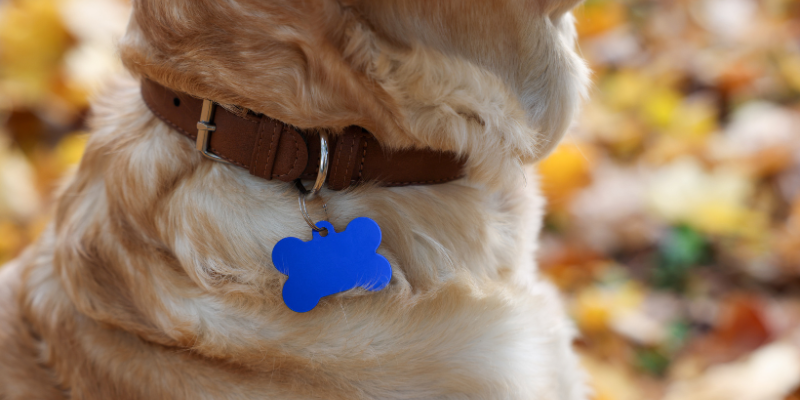
When walking your dog in public places, always use a lead to ensure their safety and prevent them from running off or getting into dangerous situations. Make sure your dog has proper identification such as an ID tag on their collar, as well as a microchip. This will significantly increase the chances of finding your dog should they get lost.
Home Safety
There are various measures you can take to ensure your dog’s safety at home:
- Keep electrical cords hidden or out of reach to prevent chewing, which could lead to electric shocks.
- Protect your dog from extreme temperatures. In hot weather, ensure they have a shady spot to stay cool and never leave them in a hot car. During cold weather, provide a warm, comfortable area for them to escape the cold.
- Always have a first aid kit available for any minor injuries your dog might experience.
Dealing with Emergencies
First Aid Basics
When your dog faces an emergency, keeping a cool head and knowing some first aid basics can make all the difference. It’s essential to have a first aid kit handy and stocked with necessities like bandages, tweezers, and antiseptic wipes.
- For bleeding, apply gentle pressure to the wound with a clean cloth to stem the flow.
- If your dog is limping, gently check their body for injuries, and provide support while moving them.
- Heatstroke is dangerous for dogs, so if you suspect it, move them to a cool, shaded area and offer them water.
Recognising Poisoning and Allergies
Dogs often get curious and can accidentally ingest toxic substances. In order to give your dog the best chance of survival, it’s crucial to be able to recognise poisoning in your dog early. Some common symptoms of poisoning include:
- Vomiting
- Diarrhoea
- Lethargy
- Excessive drooling
- Seizures
When you suspect poisoning:
- Keep your dog safe and away from other animals and children.
- Try to identify the toxic substance if possible.
- Call your vet immediately and explain the situation.
It’s also possible that your dog may develop allergic reactions, even to things that were previously harmless. Make sure to keep an eye out for these common signs of an allergic reaction:
- Swelling or hives
- Excessive scratching or licking
- Difficulty breathing
- Diarrhoea or vomiting
Keep your home clear of toxic substances, and ensure things like chocolate, grapes, and certain plants stay out of your dog’s reach.
Always keep your vet’s number handy (store it in your mobile phone), so when an emergency arises, you can quickly get professional advice and help.
Training and Behaviour
Basic Commands
As a pet parent, it’s essential to teach your dog basic commands like sit, stay, come, and heel. These commands not only help in maintaining control over your pooch, but also provide essential mental stimulation for their well-being. Here’s a quick list of some basic commands to teach your pooch:
- Sit: Teach your dog to sit on command.
- Stay: Helps your dog remain in one place until released.
- Come: Instructs your dog to return to you.
- Heel: Keeps your dog by your side while walking.
Socialisation
A vital aspect of ensuring your dog’s safety and well-being is socialisation. Expose your dog to various situations, people, and other pets as early as possible. This will help build their confidence and minimise any fearful or aggressive responses. A well-socialised dog is less likely to act out or feel overwhelmed in different environments.
Some tips for socialisation:
- Take your dog on outings to pet-friendly locations.
- Attend group dog training classes where your dog can interact with other dogs and people.
- Arrange play dates with fellow pet parents and their dogs.
Handling Behavioural Issues
As much as we love our dogs, they might occasionally exhibit some undesirable behaviours. In fact, dealing with such issues is a part of your role as a pet parent. Actively address any behavioural concerns to ensure your furry friend’s safety and well-being. Here are a couple of ways to tackle undesirable behaviours:
- Positive reinforcement: Reward your dog for good behaviour, such as giving them treats when they follow a command.
- Redirect their attention: If your dog gets distracted or starts misbehaving, try redirecting their focus to a toy or task.
- Consult an expert: If your dog’s behavioural issues persist, don’t hesitate to seek guidance from a professional dog trainer or a vet.
Keeping your dog doesn’t need to be complicated, but it is vital. By ensuring a secure living environment, staying up-to-date with vaccinations and preventive treatments, and being mindful of your dog’s behaviour and surroundings during walks and playtime, you can significantly reduce the risks they face. Your dog relies on you for their well-being, so taking proactive steps to protect them is one of the most loving actions you can take as a pet owner. Embrace the joy that comes with having a healthy, happy, and safe companion by your side, and cherish the peace of mind that comes from knowing you’ve done your utmost to ensure their safety.
