
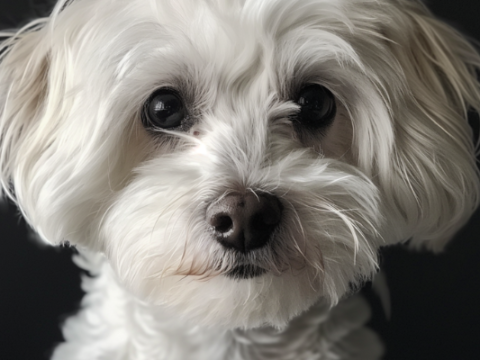
The Westiepoo is a charming designer breed that is a cross between a West Highland White Terrier (Westie) and a Poodle. Known for their intelligence, loyalty, and affectionate nature, these adorable dogs have gained popularity as family pets over the years. Their compact size, eye-catching appearance, and friendly temperament make them ideal companions for pet owners of all ages, bringing joy and fun to households across the nation.
One of the major reasons behind the creation of designer breeds like the Westiepoo is to combine the best traits of both parent breeds. This often results in pups with a lower risk of health issues, more predictable behaviour, and a hypoallergenic coat, which is a great advantage to people who suffer from allergies. Moreover, Westiepoos tend to have a diverse range of coat colours, including white, black, apricot, cream, and shades of grey, making each pup unique.
As a family pet, the Westiepoo is truly a star performer. They are both energetic and gentle, making them perfect playmates for children, as well as attentive listeners for adults in need of a comforting presence. Highly adaptable and eager to please, these dogs blend seamlessly into various lifestyles, whether urban or rural, ensuring that their families are always entertained and feel loved.
Overview of the Westiepoo
Breed History
This intelligent and charming breed has gained popularity in recent years due to its endearing personality and small to medium size.
Physical Characteristics
The Westiepoo is typically small, sometimes referred to as a miniature mixed breed. Its size, weight, and appearance are likely to vary depending on the individual dog’s parents. Regardless of size, these dogs are best known for their intelligence and their desire for attention.
| Size Category | Height | Weight |
|---|---|---|
| Small | 20-30 cm (8-12 in) | 4.5-10 kg (10-22 lbs) |
| Medium | 30-40 cm (12-16 in) | 10-15 kg (22-33 lbs) |
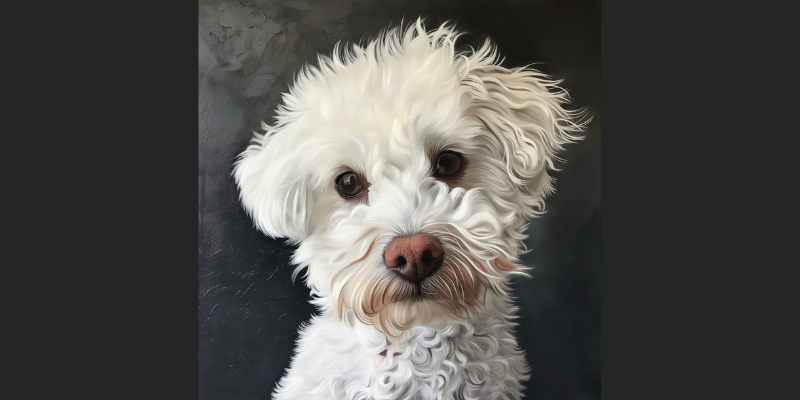
The Westiepoo’s coat is typically medium in length and can come in various colours, such as white, cream, grey, or black. This mixed breed’s coat may be wavy or curly, taking after the Poodle parent, or it may be more straight, like the West Highland White Terrier. Regular grooming is essential to keep their coat looking its best.
Its facial features often include a round, expressive face, with dark, alert eyes and a black nose. The Westiepoo’s ears may be floppy or stand up, depending on the individual dog. Overall, the Westiepoo’s physical characteristics give it a cute and friendly appearance, which contributes to its popularity as a family pet.
Temperament and Personality
Behavioural Traits
These cute little dogs are known for their happy and playful nature, making them great companions for all ages. They are highly intelligent and quick learners, often displaying a touch of the independent spirit inherited from their terrier roots – this might make them a tad stubborn at times!
Westiepoos are also rather curious and alert – they enjoy exploring their environment and could be considered slightly nosy. However, they typically don’t display aggressive behaviour, primarily due to their friendly disposition.
When it comes to socialising, Westiepoos love meeting new people and other pets, especially when given the opportunity to socialize from a young age. This trait makes them excellent companions and an ideal family pet.
Compatibility with Families
Owners often find the Westiepoo to be extremely adaptable and able to fit well into various types of households. Their small size and affectionate nature make them a wonderful addition to a family with children, as they enjoy the company of humans and offer endless hours of playtime. However, as with all dog breeds, it’s vital to supervise interactions with younger children to ensure the dog isn’t unintentionally mishandled.
The Westiepoo’s amiable personality and moderate energy levels also make them an ideal breed for those looking for a loyal and loving family pet. Just keep in mind that these little dogs need regular exercise, mental stimulation, and of course, cuddles from their beloved owners!
Health and Care Considerations
Common Health Issues
Westiepoo, like any other breed, may face certain health issues. It’s a good idea to be aware of these so that you can ensure a healthy and happy life for your furry friend. Some common health concerns include:
- Allergies: Westiepoos can be prone to allergies, especially as they are often bred to be hypoallergenic. Regular vet check-ups are vital in managing allergies.
- Hip Dysplasia: A genetic condition which could affect your Westiepoo’s mobility. Early detection can help manage the condition through weight control and exercise restrictions.
- Epilepsy: Westiepoos, like any breed, can have a predisposition to epilepsy. Medication and regular vet visits can help control seizures.
- Patellar Luxation: A common issue in small dog breeds, although rare in Westiepoos. This involves the dislocation of the kneecap and may require surgical intervention.
It’s important to note that while Westiepoos may be predisposed to these conditions, it doesn’t mean every dog will suffer from them. Regular vet visits will help maintain the overall health of your doodle pooch.
Grooming and Hygiene
To keep a Westiepoo looking its best, thorough grooming and hygiene routines are essential:
- Coat: The Westiepoo’s coat may be curly, wavy, or a combination of both. Regular brushing, at least once a week, helps prevent matting and tangles.
- Nails: As part of health and care, keep an eye on the length of their nails. Trim them every few weeks to avoid discomfort and potential injury.
- Teeth: Brushing their teeth at least twice a week promotes overall oral health.
- Eyes and Ears: Regularly check their eyes and ears for any signs of infection or debris, as Westiepoos may be prone to these issues. Keep the ears clean and dry.
Diet and Nutrition
The diet of a Westiepoo plays a crucial role in ensuring their health and wellbeing.
- Feed your Westiepoo with high-quality dog food formulated for their size, age, and activity level.
- Carefully measure the amount of food to avoid overfeeding and manage their weight. Aim for at least two meals a day in controlled portions.
- While they may appreciate occasional treats, remember that these should not make up more than 10% of their daily calorie intake.
- To prevent issues like food intolerances or allergies, gradually introduce any new ingredients or adjustments to their diet.
Training and Exercise
Training Tips
Westiepoos are intelligent and often quite easy to train. They respond well to positive reinforcement methods, where treats, praise, and play are used to reward desired behaviours. To keep their attention, try to make training sessions fun and engaging.
It’s essential to start teaching obedience and socialisation skills early on, ideally when your Westiepoo is still a young pup. Some helpful tips include:
- Keep training sessions short – about 10 to 15 minutes at a time
- Be consistent with your commands and expectations
- Use treats and praise to reinforce good behaviour
- Gradually increase the difficulty of tasks as your dog progresses
Given the Westiepoo’s Terrier ancestry, they can sometimes have a stubborn streak. However, with patience and consistency, most Westiepoos can be trained effectively.
Exercise Needs
Westiepoos are an active breed and require regular physical exercise and mental stimulation to stay healthy and happy. Their ideal exercise regime should include:
- Walks: Two 30-minute walks per day will help to keep this energetic breed satisfied. Make sure to always keep them on a leash, as their prey drive can kick in unexpectedly.
- Playtime: Engage your Westiepoo in games like fetch, tug-of-war, and interactive toys to cater to their playful side.
- Mental stimulation: Solving puzzles and enrichment toys can help to keep a Westiepoo’s intelligent mind challenged.
Living with a Westiepoo
Adapting to Home Life
Westiepoos are happy and affectionate dogs that easily adapt to various living situations. They make excellent companions and can comfortably settle into an apartment, a house, or even a bustling family home. These charming dogs love receiving attention from their owners and thrive in a social environment where they can bond with their family.
Though Westiepoos are generally easygoing, they may develop separation anxiety if left alone for long periods. To ensure their emotional well-being, consider providing frequent companionship and arranging for a trusted friend or neighbour to check in on them if you’re away for extended periods.
Engaging Activities
As playful dogs, Westiepoos require a moderate amount of exercise and mental stimulation to keep them entertained and healthy. Owners should consider a combination of both physical workouts and engaging games to maintain a balanced lifestyle for their pet.
Here are some suggested activities to keep your Westiepoo content:
- Daily walks or jogs
- Fetch or interactive games
- Training sessions for obedience and tricks
- Puzzle toys to stimulate their intellect
Westiepoo Lifespan and Development
Stages of Growth
The Westiepoo goes through a few key stages of growth in their life. Their average lifespan ranges from around 12 to 15 years. Let’s have a look at the stages:
1. Puppy (0-6 months): In this stage of growth, Westiepoo puppies are energetic and curious, with a great need for mental stimulation and training. They might be a bit nippy during playtime. This period is crucial for socialisation and developing the right temperament.
2. Young adult (6 months – 2 years): Westiepoos in this phase tend to have boundless energy and enthusiasm. Owners should keep up with regular exercise and provide a balanced diet to maintain proper growth.
3. Adult (2 – 9 years): As adults, Westiepoos are often well-adjusted and affectionate companions, and have established their place in the family. It’s important to continue with a healthy diet, exercise, and regular vet visits.
4. Senior (9 years +): In their senior years, Westiepoos may experience age-related changes in energy levels and health. Make sure you provide proper care and adjustments to their routine, ensuring they remain comfortable and happy.
Age-Related Changes
Throughout their lifetime, a Westiepoo will go through some general age-related changes:
| Age Range | Changes |
|---|---|
| Puppy(0-6 months) | Rapid growth, learning, socialisation |
| Young Adult(6M-2Y) | Energy peak, muscle development |
| Adult(2-9 years) | Balanced energy and temperament |
| Senior(9 years +) | Lower energy levels, potential health issues |
In the young adult and adult stages, Westiepoos maintain a steady energy level. However, during the senior stage, their energy levels tend to decrease. This requires adjustment to their exercise routine and a nutrient-rich diet that caters to their age. Regular vet check-ups are crucial, especially as they reach the senior stage, to keep on top of any potential health concerns.
Every Westiepoo is unique and may not adhere strictly to these stages. It’s essential to know your individual dog’s needs and adjust your care accordingly. Providing a loving and nurturing environment suited to their stage of growth will help them thrive and live a full, happy life with you.
