
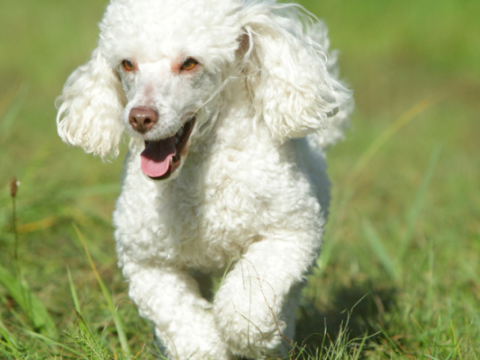
Prey drive is an instinctual behaviour seen in canines that is often observed as the tendency to chase, capture, and ultimately kill prey. This innate behaviour is rooted in the dog’s history as hunters and varies widely from one dog to another. It is not necessarily a sign of aggression; it’s a natural part of a dog’s makeup that can manifest in activities such as chasing balls, running after squirrels, or herding animals.
Understanding and recognising prey drive behaviours in dogs is crucial for responsible pet ownership. It allows owners to provide appropriate outlets for their dogs’ energy and can prevent potential safety issues. Proper training and management of prey drive are also important to ensure that a dog can live safely and harmoniously in a human-dominated environment. When channeled properly, prey drive can be a powerful motivation in dog training for various activities, including sports and working roles.
Key Takeaways
- Prey drive is an instinctive behaviour in dogs that stems from their history as hunters.
- Recognising and managing prey drive is important for safety and provides beneficial outlets for a dog’s energy.
- Proper training can harness a dog’s prey drive for positive activities, ensuring they integrate well into society.
What is Prey Drive in Dogs?
Prey drive in dogs is an instinctual behaviour, often observed as the tendency to chase or hunt. It varies in intensity among different breeds and is a fundamental trait, especially in working dogs.
Defining Prey Drive
Prey drive is the instinctive inclination of a dog to pursue and sometimes capture prey. It manifests as a series of behaviours such as tracking, stalking, chasing, and grabbing. Dogs demonstrate varying levels of prey drive, from a mild interest in moving objects to an intense focus on hunting activities.
Historical Perspective
Historically, many dog breeds were specifically developed for their hunting capabilities. Prey drive can be traced back to their ancestors, the wolves, which relied heavily on these skills for survival. Over time, humans have harnessed and refined this drive through selective breeding, giving rise to breeds that excel in hunting, herding, and retrieving.
Genetic Factors
The intensity of a dog’s prey drive is significantly influenced by genetic factors. Breeds such as hounds and herding dogs particularly show a high prey drive due to their historical roles. Selective breeding has enhanced certain aspects of prey drive in these breeds, making them proficient in tasks like tracking (hounds) and controlling the movement of other animals (herding dogs).
This inbuilt drive is not equally present in all dogs, and within each breed, individual dogs may exhibit a range of prey drive behaviours.
- High Prey Drive Breeds:
- Hounds (e.g., Greyhounds, Beagles)
- Herding dogs (e.g., Border Collies, Australian Shepherds)
- Breeds with Lower Prey Drive:
- Companion dogs (e.g., Maltese, French Bulldogs)
Understanding prey drive is crucial for responsible dog ownership, ensuring that the natural behaviours of dogs can be managed appropriately and positively.
Recognising Prey Drive Behaviours
Prey drive is a natural instinct, and spotting it comes down to observing specific actions in dogs. Whether they’re stalking a toy or chasing a squirrel, these behaviours are instinctive.
Common Signs
Chasing: Dogs with high prey drive often exhibit an irresistible urge to chase moving objects, be it cars, animals like squirrels, or a thrown ball.
Stalking: Some dogs, like Border Collies, display stalking behaviour, where they crouch and move slowly towards their ‘prey’ before pouncing.
Biting: There are two kinds of biting to note: biting to grab, which retrievers are known to display when they gently pick up objects, and biting to kill, which is more serious and involves aggressive behaviour.
- Terriers: Might exhibit tenacious chasing and grabbing, relentlessly pursuing perceived prey.
- Greyhounds: Known for their high-speed pursuits, especially in a chase.
- Collies: May show herding behaviour that includes stalking and circling.
Prey Drive Triggers
Visual Stimuli: Movement often triggers prey drive; a dog might begin a chase upon sighting a squirrel or a bird.
Auditory Stimuli: Sounds can also initiate stalking or chasing behaviours, such as the rustling of leaves or the scurrying sound of a rodent.
Breeds and Their Drives
- Terriers: Have a robust prey drive, typically chasing and digging to hunt.
- Greyhounds: Possess immense chase drive, bred historically for racing and pursuing prey.
- Border Collies: Exhibit intense stalking and herding, stemming from their drive to control the movement of other animals.
- Retrievers: While they have a prey drive, it’s often expressed in the form of fetching and carrying rather than the aggression seen in other breeds.
Training and Managing Prey Drive
Training and managing a dog’s prey drive involves a mix of basic command mastery, developing impulse control, and if needed, seeking help from a professional dog trainer. Each aspect plays a crucial role in ensuring that the dog’s natural instincts are channelled appropriately.
Basic Training Commands
Basic commands are the foundation for any training regimen aimed at managing prey drive. Recall should be sharp, with the “come” command reinforced by consistent practice and positive rewards, like treats. Dogs should also learn “leave it” as a command to ignore potential triggers. Obedience training sessions should be regular and lessons kept short to maintain concentration.
- Recall: Practice daily in increasing distraction environments.
- Sit/Stay: Use to curb chasing impulses before they start.
Impulse Control Techniques
To manage impulse control, one must introduce games that encourage patience and focus, such as “wait” before feeding or retrieving a thrown object. Fetch serves a dual purpose here, satisfying the prey drive while teaching discipline when waiting for the command to retrieve.
- Structured Play: Incorporate fetch and search games into routine.
- Lead Training: Always use a lead during walks for control and safety.
Professional Training
When a dog’s prey drive is particularly strong or hard to manage, seeking the guidance of a professional dog trainer can be invaluable. They can assess the situation, customise training methods, and provide supervision to reinforce positive behaviours.
- Personalised Training: Tailored plans to address specific challenges.
- Enhanced Techniques: Trainers introduce advanced methods beyond basic home training.
A robust relationship between a dog and its owner, built on consistent training and control, is the cornerstone of managing a dog’s innate prey behaviours.
Safety and Control Measures
In managing a dog’s prey drive, safety always comes first. Employing secure environments, ongoing supervision, and the right equipment protect both dogs and potential prey.
Secure Environments
Secure environments are places where dogs can’t escape and wildlife or livestock can’t enter. Enclosed spaces are vital, especially for breeds with a high prey drive. Fencing should be sturdy and tall enough to prevent dogs from jumping over. For added security, below are some essentials:
- Double-gate systems: Provide a safety buffer zone.
- Self-closing gates: Prevent accidental openings.
- Kennel runs: A secure option for containing dogs outdoors.
Proper Supervision
Active supervision is key when dogs are outside, even in secure areas. Owners should stay vigilant and intervene if a dog begins to fixate on birds or exhibits stalking behaviour. Here’s how to implement supervision effectively:
- Stay present: Always keep the dog in view while it’s outdoors.
- Distraction techniques: Carry toys or treats to redirect focus.
Equipment for Safety
The right gear can greatly enhance control over a dog with a strong prey drive. To ensure safety, consider the following items:
- Leads and leashes: Use strong, durable leads for walking in areas with potential prey.
- Harnesses: Provide better control without stressing the dog’s neck.
In the case of herding dogs who might display behaviours like biting to grab, these control measures are equally crucial to prevent any unintended harm to livestock. With these strategies in hand, owners can create a safe and enjoyable environment for their high prey drive dogs.
Playing with Prey Drive
Harnessing a dog’s natural prey drive can transform play into an enriching and educational experience. By incorporating activities that appeal to their instinctual chase impulses, owners can engage and entertain their dogs while also teaching vital discipline and control skills.
Prey Drive in Play
Prey drive manifests in play when a dog chases after thrown objects with keen interest. Fetch, for instance, is a game that capitalises on this drive. Dogs with a strong prey drive often show great enthusiasm in these play sessions, displaying emotions of excitement and satisfaction. Using a reward system enhances the experience, reinforcing positive behaviour with treats or praise.
- Activities illustrating prey drive in play:
- Fetch with balls or frisbees
- Tug-of-war with ropes or toys
- Hide and seek with toys or treats
- Chase games that mimic the pursuit of prey
Structured Play and Training
Structured play and training can harness a dog’s prey drive for developmental benefits. Agility training, often popular with the sporting and working group dogs, includes courses that challenge their speed, dexterity, and obedience. The elements of agility such as jumps, tunnels, and weave poles, cater to a dog’s chase and pursue tendencies.
Rewards in this context serve as a powerful motivator, and focusing on a dog’s prey drive during training can lead to impressive levels of performance. It’s crucial in these activities for dogs to understand play from work, balancing their predatory instincts with disciplined responses.
- Key components in structured play and training:
- Agility courses designed for different skill levels
- Reward systems tailored to individual dogs’ motivations
- Regular practice sessions to improve performance and bonding
- Controlled environments to ensure safety and focus during training
By understanding and utilising a dog’s prey drive, playtime becomes more than just fun. It’s an opportunity for bonding, learning, and growth.
Socialisation and Prey Drive
Socialisation plays a critical role in managing a dog’s prey drive and affects how they interact with other dogs. Proper socialisation can influence their behaviour and emotional responses in a significant way.
The Role of Socialisation
Early socialisation is vital for dogs; it helps them orient to their environment and understand how to engage with other animals and people. A well-socialised dog is usually better equipped to modulate their prey drive because they’ve learned appropriate behaviours through a variety of experiences. Fostering a solid relationship between a dog and their human during this phase is essential as it lays the groundwork for future behaviour. Regular exposure to different scenarios helps a dog learn to dissect every interaction instead of instinctively reacting to movement with a chase response.
Impact on Dog to Dog Interactions
When dogs are inadequately socialised, their interactions with other dogs can be problematic. Here’s how prey drive and socialisation level can affect their behaviour:
- Well-Socialised Dogs: They are more likely to exhibit controlled behaviour. Their body language is relaxed, and they can play without escalating to chasing or barking aggressively, acknowledging the social cues from other dogs.
- Poorly-Socialised Dogs: These dogs may misinterpret play signals from others as prey behaviour, leading to excessive barking or inappropriate chasing. They might struggle to modulate their emotions, often resulting in overarousal or anxiety.
The level of socialisation a dog has received can significantly influence how their prey drive is expressed in their interactions with other dogs.
Prey Drive Across Dog Breeds
Prey drive is a dog’s instinctual inclination to pursue and capture prey, significantly influenced by breed and breeding.
Breed-Specific Behaviours
Each breed has distinct behaviours shaped by its original purpose. Terriers, for instance, often exhibit a high prey drive. They were bred to hunt and kill vermin, leading to their tenacious and determined nature when chasing small animals. Hounds, including beagles and greyhounds, also have strong prey drives. Beagles are renowned for their scent-driven pursuits, while greyhounds are sight hounds, using their exceptional speed to chase.
- Terriers: Tenacious pursuit, designed for vermin control.
- Hounds: Driven by scent or sight to track and chase.
Working and Hunting Breeds
Working breeds, including herding dogs like collies and border collies, show a modified form of prey drive. These breeds were selected for their ability to stalk and herd livestock without harming them. Meanwhile, lurchers, a crossbreed often involving sighthounds and working dogs, have prey drives influenced by both sides of their lineage.
Selective breeding in the working group of dogs has focused on enhancing traits beneficial for specific tasks:
- Border Collies: Intense herding instincts, displaying stalking postures akin to a predator.
- Lurchers: Combinations of speed and intelligence for versatile hunting abilities.
Preventive Measures and Considerations
Managing a dog’s prey drive requires a proactive approach, addressing both physical health and genetic predispositions to ensure safe and controlled behaviour.
Health and Vaccination
Vaccination is a crucial part of a dog’s health routine, especially for dogs in the working, sporting, and herding groups that may encounter various pathogens in different environments. A proper vaccination schedule includes:
- Rabies
- Canine parvovirus
- Distemper
Consistent vaccination and check-ups prevent illnesses that might influence behaviour and underscore the importance of safety and control during outdoor activities.
Breeding and Genetics
Selective breeding should be approached with care, as it directly impacts a dog’s inherent behaviours, including their prey drive. Breeders should consider:
| Aspect | Consideration |
|---|---|
| Breeding Pair | Select for favourable temperaments and a balance between drive and tractability. |
| Genetic Testing | Screen for heritable health issues to ensure offspring are physically and behaviourally sound. |
| Puppy Placement | Match puppies with appropriate homes where potential prey drive challenges are understood. |
When breeding dogs, particularly within the sporting and herding categories, an understanding of their genetic predispositions to certain behaviours is essential. Responsible breeding practices can mitigate excessive prey drive traits and promote positive attributes like companionability and trainability.
Advanced Prey Drive Tactics
When sharpening a dog’s prey drive for competitive or hunting purposes, it’s essential to employ advanced tactics to fine-tune their skills. These methods are highly structured and demand consistent professional guidance to ensure effectiveness.
Competitive Training
In competitive training, dogs are taught to harness their chase and search instincts in a controlled environment. They learn to navigate agility courses, typically under the guidance of a professional dog trainer. This requires a strong foundation of obedience training to ensure they follow commands swiftly and accurately.
Key Components of Competitive Training:
- Discipline: Focus on obedience and agility
- Consistency: Regular and structured training sessions
- Goals: Improve speed, precision, and control
Specialised Hunting Training
Specialised hunting training is targeted toward enhancing a dog’s natural hunting instincts. They learn to search for, track, and retrieve game under varied environmental conditions.
Core Aspects of Hunting Training:
- Environment: Exposure to diverse terrains and conditions
- Technique: Developing specific skills for tracking and retrieving
- Patience: Progressive training to handle longer search missions
Both competitive and hunting trainings refine a dog’s capabilities, ensuring they are at the top of their game.
Prey Drive in Modern Society
In today’s world, the natural prey drive of dogs often intersects with lifestyle and culture, presenting unique challenges and shifts in perspective.
Cultural Perspectives
In urban settings, the prey drive of dogs can be seen as disruptive. News stories cover incidents when dogs chase after squirrels in parks or joggers on streets, raising questions about control and safety. Society views prey drive through various lenses; some cultures value this instinct for hunting or herding, while others may see it as a nuisance in city living.
The Changing Dynamics
Prey drive impacts dog socialisation and the way owners manage their pets in communal spaces. There’s a trend towards more support systems like training classes and fenced dog parks that aim to balance a dog’s instinctual behaviours with public safety. As living situations evolve with denser populations, the imperative to control a dog’s prey drive aligns closely with responsible pet ownership and safety measures.
Concluding Thoughts
Understanding a dog’s prey drive is key to fostering a harmonious relationship between the pet and its owner. Training that is consistent and tailored toward the specific needs of the dog can channel this instinct effectively.
When managing prey drive, one considers both behaviour and safety. It’s advisable for owners to learn the cues that trigger their dog’s chase instinct. Then, they can implement strategies like:
- Distraction: Offering a toy or treat.
- Obedience Training: Practise commands like ‘sit’, ‘stay’, or ‘leave it’.
- Exercise: Regular activities that exhaust the energy surplus.
Good management of prey drive also promotes safety by preventing unwanted chasing of wildlife, vehicles, or even small children, which can lead to unfortunate incidents.
In effect, appreciating the nature of prey drive assists owners in providing suitable outlets for their dogs’ instincts. This, in turn, strengthens the relationship between dog and owner, fostering trust and mutual respect. One should remember that with patience and dedication, addressing prey drive is not only manageable but can also enhance the bond shared with one’s furry companion.
Frequently Asked Questions
Understanding your dog’s prey drive is vital for managing their behaviours effectively.
How can I manage my dog’s strong urge to chase?
Management strategies include keeping your dog on a lead in areas with wildlife, offering stimulating play at home, and engaging them in controlled chase games like fetch. Structured training exercises that reinforce commands like ‘leave it’ and ‘come’ are also beneficial.
Are there specific breeds known for being less inclined to chase?
Yes, certain breeds like the Maltese, Bulldog, and Cavalier King Charles Spaniel are typically less driven by the urge to chase due to their breeding history which focused on companionship over hunting or herding traits.
What toys are best suited for dogs that love to chase?
Toys that stimulate the chase instinct in a controlled manner, such as flirt poles, frisbees, and balls, are particularly suitable. These allow the dog to engage in the chase safely and satisfy their instinctual drives.
At what age do pups typically start showing chase behaviours?
Puppies may start demonstrating chase behaviours as early as 3 to 4 months old, as it is an instinctual behaviour. These chase games lay the groundwork for developing their motor and coordination skills.
Can a dog’s desire to chase be reduced as they get older?
A dog’s chase drive can diminish with age due to a reduction in energy levels and physical ability. However, a strong prey drive is largely instinctual and may not completely disappear.
Is it possible to train a dog to control their chase instincts, and how?
Training a dog to control their chase instincts involves consistent positive reinforcement techniques. Teaching reliable recall, ‘leave it’ commands, and distraction techniques are critical. Focus on rewarding calm behaviour and steady responsiveness to commands.
