
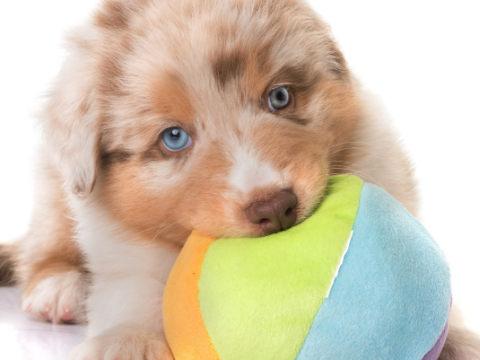
Merle Poodles are a unique and beautiful variation of the popular Poodle breed. Known for their distinctive coat patterns and colours, these dogs have captured the hearts of dog enthusiasts worldwide. Merle Poodles exhibit a variety of coat colours, including blue and silver, with a speckled or mottled appearance, which contributes to their incredible appeal.
The Merle gene is responsible for creating the distinctive patterns found in their coats. It affects the colour pigmentation, producing the speckled appearance that sets Merle Poodles apart from other Poodle variations. Though the Merle gene can be present in various dog breeds, it is essential to understand the potential genetic implications of breeding Merle Poodles before seeking to own one.
Aside from their aesthetic appeal, Merle Poodles share the same qualities as other Poodles. They are highly intelligent, active, and affectionate, making them excellent companions for families and individuals alike. As with any Poodle, regular grooming, mental stimulation, and exercise are crucial aspects of maintaining their health and well-being.
What is a Merle Poodle?
A Merle Poodle is a unique and eye-catching variation of the popular Poodle breed. Their distinct coat pattern, called ‘Merle’, consists of a base colour mixed with patches of another colour. This creates an attractive and striking appearance, setting them apart from other Poodle varieties.
Merle Poodles share the same intelligence, loyalty, and hypoallergenic qualities that make Poodles a popular choice for pet owners. Though this coat pattern is not accepted in the breed standard by major kennel clubs, Merle Poodles can be found in all Poodle sizes: Standard, Miniature, Toy and Teacup.
The Merle Poodle
The Merle Poodle is an eye-catching and unique variety of the popular Poodle breed.
Origins and Popularity
While the exact origin of the Merle Poodle is not well-documented, it is believed that the breed shares some ancestry with the Australian Shepherd Dog, which is known for its distinct Merle coat colour. The Merle pattern has gained popularity in recent years, making this particular variety of Poodle increasingly sought after by dog enthusiasts and breeders alike.
It’s important to note that the Merle gene is not a part of the standard Poodle breed, and the Kennel Club does not officially recognise the Merle pattern in its breed standard. Nevertheless, many Poodle lovers are drawn to the unique charm of the Merle Poodle and consider it a beautiful and special member of the Poodle family.
Appearance and Coat Patterns
The Merle Poodle boasts a stunning coat that can display an array of colours, including blue, red, black, and brown. The Merle gene affects the base colour of the dog’s fur, creating patches of diluted or lighter shades interspersed with the dog’s natural hue. This enchanting pattern is what sets the Merle Poodle apart from other Poodles.
Aside from coat colour, the Merle Poodle shares other physical traits with its purebred counterparts, such as a curly or wavy coat that requires regular grooming to keep it clean and tangle-free. The Merle Poodle may exhibit slight variations in coat texture and density, depending on the specific Merle pattern and genetic influence from other breeds, such as the Australian Shepherd Dog.
Merle Poodle Colours
The Merle gene, responsible for this coat pattern, can produce various colour combinations, including:
- Blue Merle
- Silver Merle
- Red Merle
- Chocolate Merle
- Phantom Merle
- Black Merle
- Sable Merle
- Brown Merle
Blue Merle Poodle
A blue merle poodle has a silver or grey base coat with black patches or dashes. This colour pattern is a result of the Merle gene interacting with the dog’s coat colour. Blue merle poodles also have striking features, including blue or partly blue eyes and a blue or partially blue nose.
Silver Merle Poodle
Silver merle poodles are pretty similar to blue merles. They have a light silvery base colour with grey or white patches.
Red Merle Poodle
A red merle will have a light cream or apricot base with red or brown patches. They also usually have a brown nose, paw pad, lips and rim around the eyes.
Chocolate Merle
A light brown base with chocolate brown patches. Chocolate merles also have a brown nose, paw pad, lips and rim around the eyes.
Phantom Merle Poodle
A dog with very few obvious merle markings, sometimes none at all. For some phantom merle dogs, the only way you’ll know for sure if they are merle is by doing a DNA test.
Black Merle
A black merle puppy will usually have a mainly black coat with splashes of blue or grey. Some black merles may have blue eyes.
Sable Merle
A sable merle Poodle is a Poodle that has a coat colour that combines the sable and merle patterns. The sable pattern is characterized by a base colour with black-tipped hairs that give a shaded appearance, while the merle pattern produces a mottled or speckled effect in the coat. When these two patterns are combined, the result is a unique and beautiful coat colour that is highly sought after in the Poodle breed. Sable Merle Poodles can have different base colours, such as brown, black, or silver, and their coat patterns can vary in intensity and distribution.
Brown Merle
A brown merle Poodle is a Poodle that has a coat colour that combines the brown and merle patterns. The brown pattern is characterized by a rich, chocolate-brown base colour, while the merle pattern produces a mottled or speckled effect in the coat. When these two patterns are combined, the result is a unique and beautiful coat colour that is highly sought after in the Poodle breed. Brown merle Poodles can have different shades of brown in their coat, and their merle pattern can vary in intensity and distribution.
What is a Cryptic Merle Poodle?
A Cryptic Merle Poodle is a Poodle that carries the Merle gene but does not show the typical Merle pattern in its coat. This is because the merle pattern is not expressed due to the presence of another dominant gene that masks the merle pattern. Cryptic Merle Poodles may have a solid coat colour or a parti-colour pattern, but they can still pass on the merle gene to their offspring.
Genetics and Breeding
Understanding the Merle Gene
The Merle gene is a dominant gene in dog breeds, responsible for producing a unique coat pattern characterised by irregular patches of diluted colours on a darker background. When it comes to Merle Poodles, the Merle gene has an impact on their otherwise solid coat colour, creating a stunning visual effect.
Merle genes are semi-dominant, meaning that their presence, even in a single copy, is enough to produce the characteristic pattern. However, when a dog inherits two copies of the Merle gene, known as a double Merle, the result can be more extreme and may lead to health risks.
Breeding Practices
| Pairing | Merle Gene Distribution | Coat Pattern Outcome |
|---|---|---|
| Merle x Non-Merle | 50% chance of inheriting the Merle gene | 50% chance of being Merle, 50% chance of not being Merle |
| Merle x Merle | 25% chance of inheriting two Merle genes (double merle) | Varied coat patterns and potential health risks |
Responsible breeding practices involve pairing a Merle poodle with a non-merle mate, as this decreases the likelihood of any potential health risks associated with double Merle offspring.
Health Risks
Double merles, which inherit two copies of the merle gene, face potential health risks, as the gene is also associated with hearing and sight defects. Some common issues in double merles include:
- Deafness
- Vision impairment or blindness
- Microphthalmia (small or malformed eyes)
Though not all double merles will experience these health issues, the risks are significantly higher than in single-merle or non-merle poodles. As a result, conscientious breeders strive to avoid producing double-merle offspring to ensure their dogs’ health and well-being.
Health Problems and Risks
The Merle Poodle, like all breeds, is susceptible to certain health issues. This section focuses on common health problems, blindness, and deafness, as well as hidden Merle dangers.
Common Health Issues
Some health problems frequently seen in Merle Poodles include:
- Skin conditions such as allergies and infections
- Cancer, which can be more prevalent in certain coat colours
- Genetic health risks that can be identified via genetic testing
Regular vet check-ups can help to identify and address these issues early on, improving the dog’s quality of life.
Blindness and Deafness
Merle Poodles can be prone to congenital defects, including blindness and deafness. The Merle gene, which is responsible for the distinct spots and dots on their coat, can also cause:
- Eye abnormalities leading to blindness
- Deafness due to auditory issues
Prospective Merle Poodle owners should ensure their dog undergoes genetic testing for these potential issues to ensure the best chance of a healthy, happy life.
Hidden Merle Dangers
In some cases, Merle Poodles can carry the Merle gene without displaying the associated spots and dots on their coat. This can lead to breeding challenges, as breeding two Merle dogs heightens the risk of health problems, including blindness and deafness, in the offspring.
It’s crucial for breeders of Merle Poodles, even those without visible signs of the Merle gene, to conduct thorough genetic testing in order to minimise the risks associated with breeding these beautiful dogs.
The Merle Pattern in Other Dog Breeds
The merle pattern is not exclusive to Poodles; it can also be found in several other dog breeds.
Breed Comparison
The merle pattern presents itself in various breeds, such as the Australian Shepherd, Great Dane, Border Collie, Cardigan Welsh Corgi, Catahoula Leopard Dog, Shetland Sheepdog, and Pyrenean Shepherd, to name a few. In each of these breeds, the merle gene is responsible for diluting random parts of the base coat, creating a unique pattern of colours and markings.
Similarities between the merle pattern in Poodles and other breeds include aspects such as the presence of blue or partially blue eyes resulting from the merle gene’s action. Furthermore, each breed inherits the merle pattern through a dominant gene, meaning that only one parent needs to carry the gene for the offspring to display the pattern.
Some differences can also be observed. For instance, the UKC (United Kennel Club) recognises the merle pattern in Australian Shepherds and Catahoula Leopard Dogs but is not formally acknowledged in Poodles. The specific colours and markings produced by the merle gene also vary between breeds, influenced by the breed’s characteristic coat colours.
Formal Recognition
The merle pattern is recognised and celebrated in some breeds, such as Australian Shepherds, Border Collies, and Great Danes, among others. However, not all breed clubs and kennel clubs officially recognise the merle pattern in every breed.
For example, while some clubs acknowledge Merle Poodles, the Kennel Club does not. Each breed maintains specific standards that dictate acceptable coat colours and patterns, and new variations sometimes face challenges in gaining formal acceptance within established breeding communities.
Controversy
The Merle gene is associated with controversy when it comes to the breeding and health of dogs. Crossbreeding between merle-patterned individuals carries a risk of producing puppies with various health issues, including vision and hearing problems. These are mainly due to having two copies of the Merle gene.
The risk of health issues has led some breeders and organisations to discourage breeding merle-patterned dogs, calling for more responsible practices to ensure each breed’s continued health and welfare.
Despite the challenges and controversies, the merle pattern remains a popular and attractive feature for many dog enthusiasts, and responsible breeding practices can help mitigate the risks and maintain the health of these unique dogs.
Temperament and Behaviour
Merle Poodles, just like other Poodles, are known for their friendly and outgoing personalities. They are highly social creatures that thrive on interaction with both humans and other animals. These dogs are incredibly intelligent, which makes them easy to train and adapt to various situations.
Moreover, Merle Poodles are loyal and affectionate towards their families. It is quite common for them to become attached to their owner and always want to be by their side. Their playful nature, combined with their intelligence, makes them excellent companions for children and adults alike.
These dogs also have a strong work ethic inherited from their Poodle ancestors. They enjoy activities that challenge their minds and keep them entertained. Agility training and obedience training are perfect fits for a Merle Poodle.


Interaction with Strangers
Merle Poodles are generally open and friendly. They enjoy meeting new people and are often eager to make new friends. However, this level of friendliness can vary between individual dogs, with some being more reserved or cautious around new faces.
Socialisation is crucial for any dog breed, and the same applies to Merle Poodles. Proper training and exposure to a variety of people and situations from a young age will help ensure that they remain well-mannered and confident when encountering strangers as they grow older.
It is essential to monitor your Merle Poodle’s interactions with strangers, especially when introducing them to children or other dogs. Although usually friendly, these dogs, like any breed, may have different levels of tolerance or patience for certain personalities or behaviours.
What to Look For When Buying a Merle Poodle
Whether you’re looking for a Merle Standard Poodle, a smaller Merle Poodle, or any other Merle breed, there are a few things you should look out for. Here are some factors to consider when looking for a Merle Poodle:
- Health Testing: Reputable breeders perform health testing on their breeding dogs to ensure they are free from genetic health issues that can be passed on to their puppies. Merle Poodles can be prone to certain health concerns, such as deafness and eye abnormalities, so it’s important to choose a breeder who performs the necessary health tests.
- Temperament: Poodles are known for their intelligence, trainability, and affectionate nature. When buying a Merle Poodle, look for a breeder who socialises their puppies from a young age and can provide information on the temperament of the parents and previous litters.
- Coat Quality: Merle Poodles have a unique and beautiful coat pattern, but it’s important to ensure the coat is healthy and well-maintained. Look for a breeder who can provide information on grooming and coat care and pictures of previous litters to see the quality of their coats.
- Breeder Reputation: Look for a breeder with a good reputation and positive reviews from previous customers. A reputable breeder will be willing to answer your questions and provide information on their breeding program.
- Contracts and Guarantees: A responsible breeder will provide a written contract outlining the sale terms and any health guarantees or warranties. Make sure to read and understand the contract before committing to buying a Merle Poodle.
- Meet the Parents: One of the things you need to look out for is that the adult poodles don’t both carry the Merle gene. You can do this by meeting both parents and checking for visual signs, but the health testing should also flag this up too.
By considering these factors and doing your research, you can find a reputable breeder and a healthy, happy Merle Poodle to add to your family.
Merle Poodle FAQ
Here are some interesting facts about merle poodles.
Can Poodles Naturally Be Merle?
No. The merle gene is not natural to poodles, so you can’t have a natural merle puppy. The only way a poodle can carry the merle gene is if one of their ancestors bred with a merle breed, such as the Australian Shepherd or the Border Collie.
Does the Kennel Club Recognise the Merle Poodle?
The Kennel Club does not currently recognise the Merle poodle as a standard coat colour. Nevertheless, merle poodles can still participate in various dog sports and other activities.
Are Merle Dogs More Expensive?
Due to their unique and striking appearance, merle poodles can be more expensive than other poodle varieties. However, the price of a puppy may vary depending on factors such as genetics, lineage, and breeder practices.
How do I Know if My Dog Has the Merle Gene?
If your dog displays a merle pattern in their coat, with irregular patches and possibly blue or partly blue eyes, it may be carrying the merle gene. To confirm this, a DNA test can be performed by a vet. You can also buy your own DNA testing kit too, but do your research to make sure you’re using a reputable company.
Please note that verifying the dog’s ancestry and genetics before breeding is important, as pairing two merle poodles may result in serious health issues.
What Are Some Unique Facts About Merle Poodles?
- Merle poodles, like all poodles, are highly intelligent and trainable, making them ideal companions and participants in dog sports.
- The Merle gene does not always result in a visible coat pattern, so a dog carrying the gene may not always display a distinctive appearance.
- Merle poodles can sometimes face misconceptions about their origins, but the pattern has been present in the breed since its earliest records in France and Germany.
Is Merle the Same as Brindle?
Merle and brindle are two different coat patterns found in dogs. Merle is a pattern that produces a mottled or speckled effect in the coat, with irregular patches of colour on a lighter base colour. The patches can be any colour but are usually black, blue, or red. On the other hand, Brindle is a pattern that produces a striped effect in the coat, with alternating bands of colour on a darker base colour. The stripes can be any colour but are usually black, brown, or grey.
The main difference between merle and brindle is the way the pattern appears in the coat. Merle produces irregular patches of colour, while brindle produces stripes. Additionally, merle is a dominant gene, meaning it only takes one copy of the gene to produce the pattern, while brindle is a recessive gene, meaning it takes two copies of the gene to produce the pattern. Finally, merle is associated with certain health concerns, such as deafness and eye abnormalities, while brindle is not typically associated with any specific health issues.
What is the difference between Merle and Parti-Coloured?
Merle is a pattern that produces a mottled or speckled effect in the coat, with irregular patches of colour on a lighter base colour. The patches can be any colour but are usually black, blue, or red. Parti-coloured, on the other hand, is a pattern that produces large areas of solid colour on a white base. The solid areas can be any colour but are usually black, brown, or red.
Do Merle Poodles Change Colour When They Get Older?
Merle Poodles may experience some changes in their coat colour as they age, but they will always keep their Merle pattern. Some Merle Poodles may develop more pronounced Merle patterns or darken or lighten in colour as they age, while others may maintain their original coat colour throughout their lives.
