
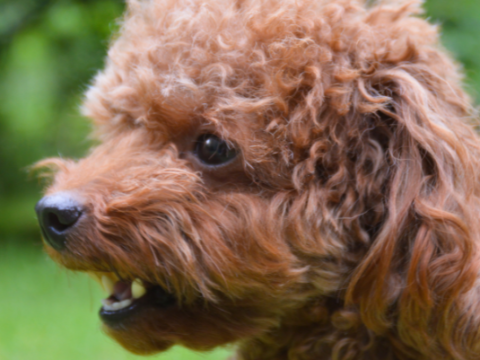
As a dog lover, you might be drawn to the charm of teacup poodles, a miniature variation of the toy poodle. These tiny, elegant dogs boast a combination of beauty, intelligence, and personality that sets them apart from other small canine companions.
One of the wonderful things about the teacup poodle is its adaptability. Despite their petite size, teacup poodles are bundles of energy and love to keep active, making them ideal playmates for your daily adventures.
As part of the poodle family, teacup poodles share the same ancestry as their larger relatives, the standard poodle. They are incredibly intelligent and highly trainable, making them outstanding companions. Whether you are looking for a small, loving lap dog or an agile, lively pet, the teacup poodle could be your perfect match.
What is a Teacup Poodle?
A teacup poodle is a very small-sized poodle breed that typically weighs between 2 and 4 pounds and stands at a height of 6 to 8 inches at the shoulder. They are smaller than toy poodles and are sometimes called micro or pocket poodles. However, it’s important to note that the term “teacup” is not recognised by any major kennel club and is often used by breeders as a marketing gimmick. Breeding tiny poodles can also lead to health problems, so it’s essential to research and choose a reputable breeder if you’re interested in a teacup poodle.
Origins and Purpose
Teacup poodles originate from larger, standard poodles. These standard poodles were initially bred as working and gun dogs, specifically for their impressive retrieving talents. Over time, selective breeding led to the development of miniature and, eventually, teacup poodle varieties.
Because of their smaller size, teacup poodles may not have the same physical abilities as their standard counterparts, but they still maintain their intelligence and loyalty. Their friendly temperament and natural charm have made them popular pets amongst dog lovers.
Here are a few key facts related to teacup poodles:
- Parent breeds: Standard poodle, miniature poodle
- Original purpose: Working and gun dog
- Key traits: Retrieving talents, intelligence, loyalty
It’s fascinating to know that your teacup poodle, despite its tiny size, comes from a long lineage of hard-working, intelligent, and loyal dogs. With proper care and training, your little companion can display the same qualities, albeit at a different capacity, bringing joy and companionship into your life.
Physical Characteristics
Teacup poodles are small bundles of joy with adorable physical characteristics to match their charming personality.
Height & Weight
Teacup poodles are typically under 9 inches tall and weigh less than 6 pounds. Their petite size makes them easily fit into their owner’s arms or even a small bag when out and about.
It’s important to monitor your teacup poodle’s weight to ensure they maintain a healthy body condition. Their delicate build can make them prone to certain health issues, so work with your trusted vet to keep your pup in tip-top shape.
Coat Colours
Another distinctive aspect of the teacup poodle is its range of elegant solid colours. Your tiny pup can showcase any of the following hues within its beautiful coat:
- Apricot
- Black
- Blue
- Café Au Lait
- Cream
- Grey
- Silver
- White
Each of these shades can make your teacup poodle look even more endearing, and their coats are known for being soft, hypoallergenic, and low-shedding.
Poodles are known to carry a fading gene. As they age, many poodles’ coats will fade in colour, so this is worth considering when you’re considering a poodle puppy.
Temperament and Behaviour
Teacup Poodles are known for their intelligent and affectionate nature, making them popular companions for people of all ages. Their loyal and loving temperament ensures that they will quickly become a firm member of your family.
One characteristic to be aware of is their potential to develop separation anxiety. Since they form strong bonds with their human companions, Teacup Poodles may become anxious or distressed when left alone. To combat this, gradually introduce periods of separation and provide them with a comfortable environment when you’re not around.
Socialisation is an essential aspect of your Teacup Poodle’s development. Exposing them to different environments, people, and other animals will help to build their confidence and adaptability. This will allow them to learn how to respond appropriately, which is crucial for their overall behavioural development.
Though they are hypoallergenic, which is perfect for individuals sensitive to allergens, it is important to remember that they still have a moderate prey drive as they were originally bred as hunting dogs. Keep this in mind when they are off-lead or around small animals.
Training a Teacup Poodle is generally an enjoyable experience, as their intelligence and eagerness to please make them fast learners. However, remember to be patient and use positive reinforcement techniques to encourage good behaviour in your furry friend.
Family and Children
When you’re thinking of bringing a new dog into your home, one of the most important aspects to consider is how suitable they are for families, especially those with young children. Thankfully, these tiny dogs can make wonderful companion pets for people of all ages, thanks to their gentle and loving nature.
Teacup poodles are friendly and sociable, which means they will readily adapt to being part of your family. They’ll enjoy spending time with you and your children, providing a comforting and affectionate presence in your home.
However, it’s important to be cautious when introducing a teacup poodle to a household with young children. These dogs are incredibly delicate and can be easily injured by rough play or accidental falls. For families with very young children, teaching them how to interact safely and gently with their new pet is essential. You might consider:
- Supervising playtime between your child and the poodle
- Teaching your child to hold and pet the dog gently
- Establishing designated safe spaces where the teacup poodle can retreat to if needed
By taking these precautions, you can ensure a harmonious and safe relationship between your teacup poodle and the younger members of your family.
Care and Grooming
First and foremost, grooming is crucial for maintaining your poodle’s coat. Teacup poodles have a low-shedding, curly coat that requires frequent brushing to prevent matting and tangles. Aim to brush your poodle’s coat at least two to three times a week using a slicker brush.
Additionally, regular professional grooming every six to eight weeks is recommended. This includes a trim and style of your poodle’s coat to maintain their appearance and prevent overheating. Don’t forget to check their ears frequently, as poodles are prone to ear infections. Gently clean their ears with a solution recommended by your vet. It’s also a good idea to pluck out excess ear hair too.
Teacup poodles are energetic and playful, making adequate exercise vital for their overall well-being. Even though they are small in size, their exercise requirements should not be neglected. To keep them happy and active, indulge them in daily exercises such as walks, playtime, or stimulating indoor activities. However, be cautious with the intensity of the activities due to their fragile size.
Monitor your teacup poodle’s energy levels to make necessary adjustments in their exercise routines. A well-exercised poodle will exhibit improved behaviour and overall health.
Diet and Nutrition
Feeding your teacup poodle a well-balanced diet is essential for their overall health and well-being. It’s important to consider the right type and amount of food to meet their nutritional needs.
Teacup poodles generally require fewer calories compared to regular-sized poodles due to their small size. It’s important to monitor their weight and adjust their food intake accordingly. Start by checking the recommended serving size for their age, weight, and activity level on the kibble packaging.


To ensure your teacup poodle receives adequate nutrients, it’s ideal to feed them high-quality dry kibble. This type of food provides a balanced mix of proteins, carbohydrates, fats, vitamins and minerals that are essential for their growth and development. Be sure to choose a kibble specifically formulated for small breed dogs, as it will contain ingredients tailored to their unique dietary requirements.
Look for brands that prioritise natural ingredients and avoid artificial additives, such as preservatives, colours and flavours. Some key components to consider in a teacup poodle’s diet include:
- Protein: Chicken, fish, turkey, or other lean meats should form the primary ingredient.
- Carbohydrates: Whole grains and sweet potatoes provide a sustained source of energy.
- Fats: Omega-3 and omega-6 fatty acids support healthy skin and coat, as well as brain health.
- Fibre: Vegetables and fruit can aid in digestion and promote a healthy gut microbiome.
Remember, moderation is key to achieving the right balance in your teacup poodle’s diet. Alongside high-quality dry kibble, occasional treats and fresh foods can also contribute to their overall health and happiness. However, it’s important to be mindful of the extra calories and potential food sensitivities.
Health Concerns
Teacup poodles are prone to progressive retinal atrophy (PRA), a genetic condition that leads to vision loss over time. While there’s no cure for PRA, you can have your poodle tested for the gene to determine if they’re at risk.
Heart defects are another concern in this breed, with pulmonary valvular stenosis and patent ductus arteriosus being the most common. Regular check-ups with your vet can help detect any abnormalities and address them accordingly.
Hypoglycaemia, or low blood sugar, is a common issue in teacup poodles due to their small size. To prevent this condition, make sure your poodle is fed a balanced diet at regular intervals throughout the day.
In line with breed standards, it’s vital to be mindful of hip dysplasia and patella luxation. Hip dysplasia occurs when the hip joint doesn’t fit properly, while patella luxation is a dislocation of the kneecap. Both can lead to pain and reduced mobility. Regular exercise can help, but it’s essential to be mindful of your poodle’s limitations.
Teacup Poodle Puppy
When you’re considering adding a teacup poodle to your family, it’s essential to understand the breed and the specific needs of these tiny puppies. While they might be small, their personalities are anything but, and they can make wonderful companions.
When selecting a breeder, make sure to ask plenty of questions about the puppies and their parents. You’ll want to ensure that your prospective teacup poodle has been bred responsibly and comes from a healthy lineage. Generally, teacup poodle litters are smaller in size compared to their standard counterparts, so you might come across fewer puppies to choose from.
As these puppies are smaller in size, they may have some specific care needs that are different from larger dogs. Keep in mind to:
- Monitor their eating habits closely, as they may require smaller and more frequent meals
- Provide them with a comfortable and secure environment to prevent injury from falls or rough play
- Keep an eye on their dental health, as smaller dogs can be more prone to dental issues
- Ensure regular vet check-ups to monitor their growth and overall health
While teacup poodles might be small in stature, they have all the intelligence and charm of their larger cousins. By properly researching breeders and understanding the specific requirements of teacup poodle puppies, you’ll be well-equipped to welcome your new furry friend into your home.
Responsible Breeding
When looking for a teacup poodle, it’s essential to find a responsible breeder who prioritises the health and well-being of the dogs. One of the primary aspects of responsible breeding is selectively bred dogs.
Selectively bred teacup poodles ensure that breeders maintain control over the dog’s genetic traits, identifying and addressing potential health issues. This method assures that you’ll receive a healthy and happy puppy.
When searching for a breeder, take the following steps:
- Research reputable breeders and check their background.
- Request references from previous clients and vet professionals.
- Visit the breeding facility to observe the dogs’ living conditions and ask about the parents’ health and lineage.
- Ensure the breeder is registered with a recognised breed club or registry.
- Request clear and transparent documentation of health tests and certifications for both the puppy and parents.
By choosing a responsible breeder, you’re doing your part to promote ethical practices and ensure the long-term health and happiness of your teacup poodle. Remember, your decision will have a lasting effect on the well-being of these wonderful dogs.
Adopting a Teacup Poodle
Deciding to adopt a teacup poodle is an exciting decision, as they are one of the smallest dogs and make wonderful companion pets. When considering adoption, it’s essential to keep in mind that you’re taking in a new family member who will seek your love, attention, and care. Teacup poodles are charming little lap dogs, making them perfect for cuddling and keeping you cosy!
Start your search by checking local shelters and rescue groups. These organisations often have a variety of small dogs up for adoption, and you might find a teacup poodle waiting for their forever home. Rescuing a dog is extremely rewarding and helps create space for other animals in need.
Here are some tips for adopting a teacup poodle:
- Research: Get to know the breed’s characteristics and requirements so you can provide the best possible care.
- Visit various shelters: Don’t limit yourself to only one source. It’s a good idea to visit different shelters and rescues to find the perfect match for your home.
- Ask questions: Shelter staff will be able to tell you about the dog’s temperament, background, and any potential health issues.
- Consider other pets: If you have existing pets, make sure to choose a teacup poodle with a temperament that will fit well with your other companions.
Once you bring your new teacup poodle home, ensure they are comfortable and feel secure in their environment. Provide them with all the essentials, like a cosy bed, food, and toys to keep them entertained. Remember, patience and love will go a long way in helping your new lap dog settle into their forever home.
Teacup Poodle FAQ
This section will address common questions about teacup poodles, covering topics such as barking, watchdog abilities, size, cost, and differences between teacup and toy poodles.
Do Teacup Poodles Bark a Lot?
Teacup poodles, like any other dog breed, have their individual personalities. Some may bark more than others. They may bark when they are excited, seeking attention, or feeling threatened, but proper training can help reduce excessive barking.
Ensuring your teacup poodle is well-socialised and mentally stimulated can also aid in controlling their barking behaviour. Being part of a local Poodle Club can provide activities and opportunities for socialisation, benefiting both you and your poodle.
Are Teacup Poodles Good Watchdogs?
While teacup poodles are small in stature, they can still serve as efficient watchdogs. They are highly intelligent and alert, making them capable of detecting changes in their environment. They may not have the size or strength to physically protect your home, but they can definitely alert you to any potential threats with their keen senses.
How Big is a Teacup Poodle?
A teacup poodle is the smallest version of a poodle breed, typically weighing between 2 to 4.5 pounds and standing under 10 inches tall. However, it’s important to note that the term “teacup” isn’t an officially recognised size by any breed standard or kennel club, so sizes might vary.
How Much Does a Teacup Poodle Weigh?
When discussing a teacup poodle’s weight, you’ll find they generally fall within the range of 2 to 6 pounds. As mentioned earlier, a healthy weight is essential for your little companion, so track their growth, especially during the first year.
| Age | Typical Weight Range |
|---|---|
| 3 Months | 1.5-3.5 pounds |
| 6 Months | 2-5 pounds |
| 1 Year | 2-6 pounds |
How Much Are Teacup Poodles in the UK?
Teacup poodles are rare and highly sought after, reflecting their high price tag. In the UK, the price for a teacup poodle can range from £1,000 to £3,000 or even more, depending on factors such as lineage, pedigree, and colour. Adoption through a rescue organisation is an alternative, potentially more affordable option.
What is the Difference Between a Teacup Poodle and a Toy Poodle?
Although both small, teacup and toy poodles have distinct differences. Teacup poodles are smaller than toy poodles, with toy poodles typically weighing around 4 to 6 pounds and standing at 10-11 inches tall. On the other hand, teacup poodles usually weigh below 4.5 pounds and stand under 10 inches.
Beyond size, toy and teacup poodles share the same breed characteristics: intelligence, trainability, and affectionate personalities.
The teacup poodle is an adorable and charming dog breed that has captured the hearts of many dog lovers. While their small size and cute appearance make them an attractive choice for many, it’s important to remember that the term “teacup” is not recognised by any major kennel club and can sometimes be used as a marketing gimmick. Additionally, breeding for extremely small sizes can lead to health problems, so choosing a reputable breeder and prioritising the health and well-being of your teacup poodle is crucial. With proper care and attention, a teacup poodle can make a wonderful companion for many years to come.
