

As a dog lover, you may have come across the lovable Shih Tzu Poodle cross, also known as the Shih-Poo. This delightful mix combines the best qualities of the Shih Tzu and the Poodle, resulting in a small, cuddly companion perfect for families and individuals alike.
Shih-Poos are known for their intelligence and affectionate nature, making them excellent pets for people with a variety of lifestyles. With their hypoallergenic coats and lower grooming requirements compared to purebred Shih Tzus or Poodles, these dogs can be an ideal choice for those with allergies or limited time for grooming.
If you’re thinking about adding a Shih-Poo to your family, it’s essential to understand their unique characteristics, such as their exercise needs, training capabilities, and potential health concerns. In this article, we’ll delve into these topics, so you can make an informed decision about whether the Shih Tzu Poodle cross is the right fit for you.
What is a Shih Tzu and Poodle Mix Called?
When you combine the adorable Shih Tzu with the intelligent Poodle, you’ll get a charming and affectionate dog breed known as Shih-Poo or Shih Poo. This mixed breed is becoming increasingly popular among dog lovers, particularly those who appreciate small, hypoallergenic dogs and those with a soft spot for mixed designer dog breeds.
Shih Tzu Poodle Cross Origins
The Shih Tzu Poodle Cross is a hybrid dog breed that combines the playful and intelligent nature of the Poodle with the affectionate and charming temperament of the Shih Tzu. To appreciate the origins of the Shih-Poo, you need to understand the history of both parent breeds.
History of the Shih Tzu
The Shih Tzu originates from Tibet, where it was highly revered by Tibetan monks for its affectionate nature and unique appearance. With its nickname “Lion Dog”, the Shih Tzu is believed to have been bred to resemble the lion, a highly regarded symbol in Tibetan mythology.
These little dogs quickly spread to other parts of Asia, including the Chinese royal courts, where they were further developed and prized as cherished companions. The breed eventually made its way to the West in the early 1900s and gained popularity as a loving and devoted pet worldwide.
History of the Poodle
On the other side of the Shih Poo’s genetic mix is the Poodle, a breed that traces its origins to Germany. Originally bred as a water retriever, the Poodle is known for its intelligence, athleticism, and ability to be trained for a variety of tasks. The Poodle breed has been classified into three sizes: standard, miniature, and toy, with the latter two sizes becoming popular as companion dogs which participated in various dog sports and shows.
The Poodle’s unique coat, with its tight curls and low-shedding properties, contributed desirable traits to the hybrid Shih Poo. In fact, many people favour the Shih Poo because of their hypoallergenic coat, which is a blend of both parent breeds’ fur types.
The Shih Poo combines the best of both worlds – the intelligence and trainability of the Poodle and the affectionate and loving nature of the Shih Tzu. If you are seeking a small, friendly companion that can adapt to various lifestyles and provide great companionship, this adorable crossbreed could be an excellent choice for you.
Physical Characteristics of Shih Tzu Poodle Cross
As a hybrid dog, your Shih-Poo will inherit traits from its parent breeds. This can result in a vast array of physical and personality characteristics.
How Big Will a Shih Tzu Poodle Mix Get?
The size of the Poodle parent usually determines the size of a Shih-Poo. A Shih-Poo puppy with a Standard Poodle parent is likely to be bigger than a Shih-Poo puppy with a Toy Poodle parent, for example. Generally, though, this breed tends to be small, with an average weight of 4 to 8 kg (8.8 to 17.6 lbs) and a height of 25 to 38 cm (9.8 to 14.9 inches) at the shoulder.
Coat and Colours
The coat of a Shih Tzu Poodle mix can be quite diverse, ranging from curly like a Poodle to the long and silky coat of a Shih Tzu. This breed is also known for having a hypoallergenic coat, which can be a significant advantage for those suffering from allergies. In general, they have a curly or wavy coat similar to the Poodle, although sometimes mixed with the long, silky texture of the Shih Tzu. Shih-Poos come in a multitude of colours, including black, brown, cream, and even multicoloured. It’s not unusual to see combinations of these colours on one dog, creating a unique and charming appearance.
Patterns and Markings
Shih Tzu Poodle mixes may also sport various patterns and markings on their coat. Here are a few common patterns to look out for:
- Solid: One primary colour on the entire coat.
- Parti: Two or more colours, with one being white.
- Phantom: A solid base colour with distinct markings, usually tan, on the face, chest, legs, and tail.
As you can see, the Shih Tzu Poodle mix has an array of physical features that make it an incredibly appealing and unique breed. Whether you prefer a curly or short coat or love the idea of having a dog with an apricot or black coat, this breed offers a variety of options to suit your preference.
Temperament and Personality Traits
When it comes to temperament and personality traits, you’ll find Shih-Poos to be affectionate, active, and friendly companions.
Intelligence and Trainability
Shih-Poos are known for their intelligence, which makes them quite trainable. However, their stubborn streak can sometimes pose a challenge during training sessions. To help your Shih-Poo reach their full potential, it’s essential to use positive reinforcement techniques, such as praise and treats. Consistency and patience will go a long way as you train your new family member.
Starting training early is essential, as it can help build a strong bond between you and your Shih-Poo and prevent any negative behaviours from developing. Socialisation plays a key role in shaping their personality and ensuring they grow up to be well-rounded pets.
Socialisation and Behaviour
Socialisation is crucial for Shih-Poos, and it’s something you should begin as soon as possible. Expose your Shih-Poo to various environments, people, and other pets in a positive manner to help them develop into confident and friendly companions.
Shih-Poos are known to be sensitive dogs, which means they respond well to a gentle approach rather than harsh corrections. They crave attention and love spending time with their families. This makes them great pets for families with children or other pets, as they enjoy being part of a pack.
Do Shih-Poo Dogs Bark a Lot?
Shih-Poos might be small, but they can be quite vocal. However, this doesn’t mean they bark excessively. You may notice your dog barking when they’re excited or trying to alert you of something. To help manage any excessive barking, ensure your Shih-Poo is well-socialised, provided with enough mental stimulation, and has a consistent routine.
Knowing the temperament and personality traits of your Shih-Poo is essential in ensuring a happy and healthy pet. You’re on the right track to building a strong and lasting bond by understanding their intelligence and trainability, socialising them properly, and addressing any barking tendencies.
Grooming and Maintenance
As a Shih Tzu-Poodle cross owner, you must be prepared to devote time and attention to your pet’s grooming needs. This hybrid breed combines the low-shedding coat of the Poodle with the soft, silky coat of the Shih Tzu, making it important to take care of their coat to avoid tangles and matting.


Shedding and Allergies
One of the benefits of owning a Shih Tzu-Poodle mix is that they are often considered hypoallergenic due to their low-shedding coat. However, no dog breed is truly allergy-free, so some people with dog allergies may still react to their presence. To minimise shedding and keep your pet’s coat in optimal condition, establish a regular grooming routine for your dog.
Brush your dog’s coat at least three times a week using a pin brush or slicker brush. This will help distribute the natural oils in their coat, remove loose hairs, and prevent matting. Additionally, regular brushing can help minimise the risk of allergies in your home.
Bathing and Nail Care
Aside from coat care, another essential aspect of grooming is bathing and nail care. Bathe your Shih Tzu-Poodle mix every four to six weeks using a gentle dog shampoo. This will help keep their coat clean and free of dirt and debris. Be mindful not to bathe them too frequently, as it may strip their coat of essential oils.
Regular nail care is crucial to prevent overgrown nails that can cause discomfort for your pet. Trim your dog’s nails every four weeks or when they start to click on the floor. Don’t forget to check and clean their ears regularly to reduce the risk of ear infections.
Doodle dogs generally benefit from a visit to a professional groomer at least every 6-8 weeks, particularly if they have curly hair like the Poodle. Our Cavapoo quickly gets matted hair if we don’t keep on top of it, and no matter how hard we try, we cannot achieve results as well as our groomer does.
By maintaining a consistent grooming routine, you will not only keep your Shih Tzu-Poodle mix looking great but also promote their overall health and well-being.
Health and Life Expectancy
Nobody wants to think about their dog getting ill or passing away, but as a responsible dog owner, it is important that you’re aware of common health issues.
Common Health Issues
Being a crossbreed, the Shih-Poo may inherit health issues that are common in both Shih Tzus and Poodles. Some of the main concerns include:
- Hip Dysplasia: This is a genetic condition where the hip joint doesn’t develop properly, leading to arthritis and possible lameness over time. Regular vet check-ups and maintaining a healthy weight can help alleviate the symptoms.
- Patellar Luxation: This occurs when the knee cap slips out of place, causing discomfort and possible limping. In severe cases, surgery may be required.
- Cataracts and Eye Problems: Shih-Poos are prone to eye issues such as cataracts, which can impair vision. Regular eye check-ups can help catch and address these conditions early on.
- Obesity: Just like humans, dogs can become overweight, leading to a plethora of health problems. Ensuring your Shih-Poo receives a proper diet and regular exercise is crucial in maintaining a healthy weight.
While this list may seem concerning, remember that vigilant care and regular vet visits can help prevent or manage most of these issues.
What is the Lifespan of a Shih-Poo?
Shih-Poos generally have a life expectancy of 10 to 15 years. While genetics play a role in determining the lifespan, proper care plays a significant part in ensuring your Shih-Poo enjoys a long, healthy life.
To keep your Shih-Poo in tip-top shape, make sure to provide them with a balanced diet, regular exercise sessions, and grooming. And don’t forget those all-important check-ups at the vet to monitor their overall health and address any concerns early on.
Training and Exercise Needs
When it comes to training and exercise, the Shih Tzu Poodle cross, also known as Shih-Poo, has moderate needs. As a pet owner, you’ll have to provide daily exercise to keep their energy level in check. A couple of short walks or play sessions in your garden should do it.
Shih-Poos are fairly trainable, and they respond well to positive reinforcement methods. Be patient and consistent in your approach when teaching them new commands. Offer treats, praise, and petting as rewards to keep them motivated. Engage your Shih-Poo in interactive games like fetch or tug-of-war to provide mental stimulation and strengthen the bond between you.
Socialisation is an essential aspect of your Shih-Poo’s training. Start introducing your furry friend to different people, animals, and environments while they are still young. This will help prevent them from becoming fearful or aggressive towards unfamiliar situations. Regularly expose them to dogs of various sizes, as well as children and adults, to ensure they grow up to be a well-socialised adult.
Keep in mind that Shih-Poos may have a tendency to bark, especially when they are excited or anxious. To curb this behaviour, teach them the ‘quiet’ command and redirect their attention towards a more desirable activity. Early training is crucial in preventing excessive barking from becoming a habit.
Diet and Nutrition
As a proud owner of a Shih Tzu Poodle cross, ensuring your pet receives a proper diet and balanced nutrition is essential. Just like any dog, your beloved pet needs a good diet to maintain a healthy lifestyle and prevent potential health issues such as obesity.
When thinking about food for your dog, it’s crucial to consider their unique needs. Shih Tzu Poodle Crosses aren’t usually picky eaters, but providing a diet specifically made for small breeds is essential. High-quality commercial dog foods are usually the way to go, as they contain the necessary nutrients for your dog’s health.


To maintain your dog’s weight and avoid obesity, follow these guidelines:
- Consult your vet and determine the proper daily calorie intake for your dog.
- Measure your dog’s food portions and avoid free-feeding, where food is left out all day.
- Limit treats to no more than 10% of their whole diet.
Remember to always provide clean, fresh water for your pet. In addition to their diet, it’s also essential to ensure they get regular exercise to help promote a healthy weight and muscle tone.
As with any change, gradually introduce new foods to your Shih Tzu Poodle’s diet to avoid upsetting their stomach. Start by mixing a small amount into their regular food and gradually increase the new food portion over the course of a week or two.
Regular vet visits will also play a crucial role in monitoring your dog’s nutritional well-being. Your vet can offer bespoke advice on how to cater to your dog’s specific needs and alter your approach to their diet accordingly.
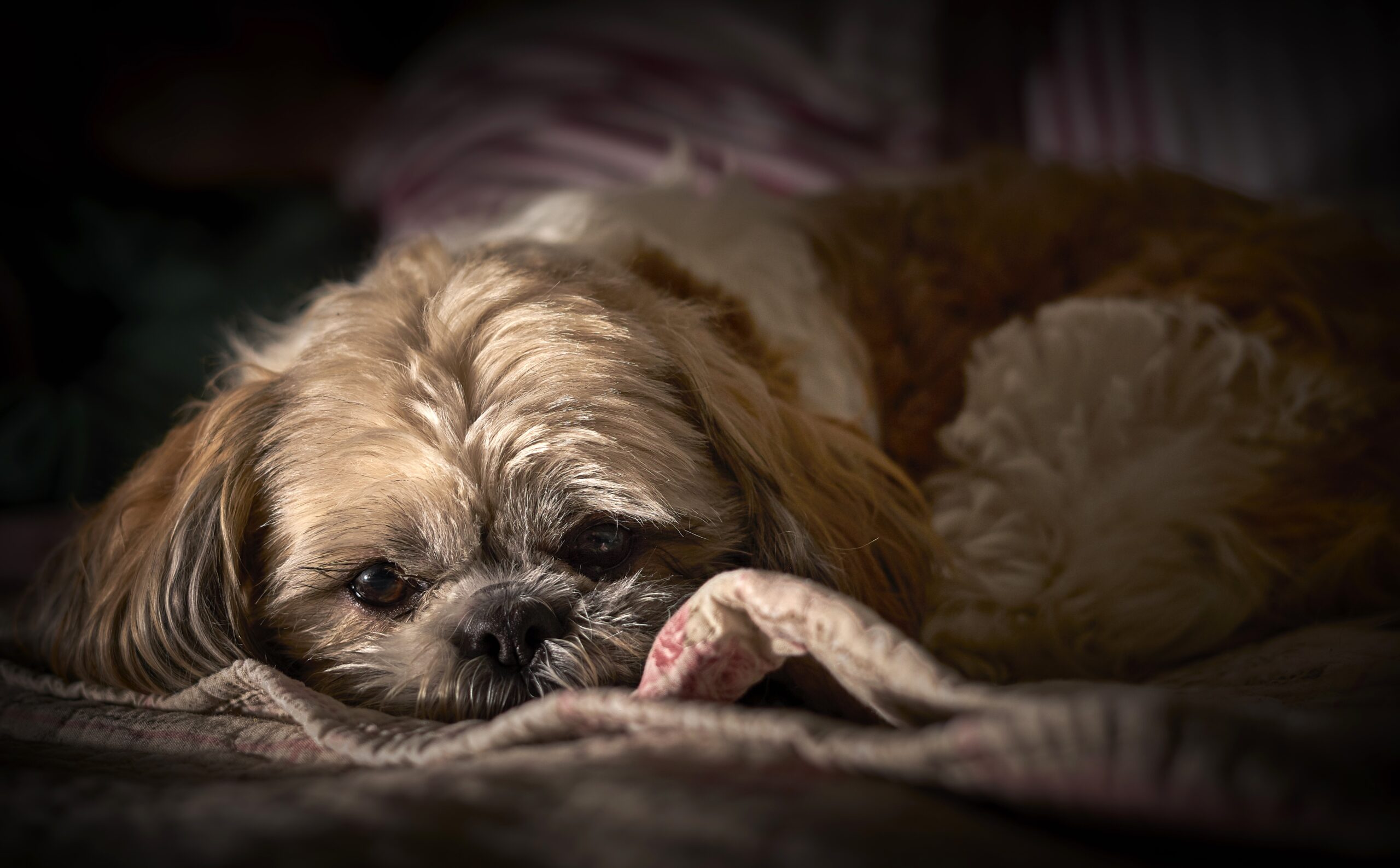
These dogs are well-suited for families, singles, and seniors, as they adapt well to different lifestyles and living situations.
As a small breed, you will find that the Shih Tzu Poodle Cross is relatively easy to care for in terms of grooming; their low-shedding coats make them a great choice for owners with allergies. However, it’s important to regularly groom and maintain your dog’s coat to prevent matting and tangles.
When it comes to training, these dogs can be quite clever and eager to please but sometimes stubborn as well. Patience and positive reinforcement will help you achieve success in teaching your dog basic obedience and tricks:
- Start training at an early age.
- Use positive reinforcement, praise, and rewards.
- Stay consistent and patient throughout the process.
In terms of health, choosing a responsible breeder is essential to reduce the risk of any genetic conditions that could impact your dog’s quality of life. Regular vet check-ups, proper nutrition, and exercise will also help keep your Shih Tzu Poodle Cross happy and healthy.
If you’re seeking a charming, affectionate, and intelligent companion, the Shih Tzu Poodle Cross might be the perfect addition to your life. These little dogs will bring joy and companionship to your home, and with proper care and love, they’ll become treasured members of your family.
