
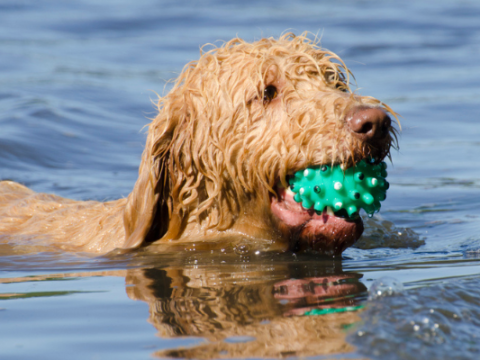
Labradoodles have become increasingly popular over the past few decades, charming people with their friendly and sociable nature. As a crossbreed between the Labrador Retriever and the Poodle, this breed is known for its intelligence, affection, and low-shedding coat. These qualities make them a popular addition to families and an ideal choice for those with allergies.
Labradoodle History
The Labradoodle has an interesting history that began in the late 1980s in Australia. Wally Conron, a breeding manager at the Royal Guide Dogs Association of Australia, played a significant role in the creation of this lovable breed. He aimed to develop a hypoallergenic guide dog that could assist people who had allergies yet required a service animal.
To achieve this goal, Wally crossbred a Labrador Retriever and a Standard Poodle, two breeds known for their excellent temperaments and intelligence. The successful result was a litter of puppies with the desired characteristics, thus the Australian Labradoodle was born. Over time, these dogs gained popularity not just as guide dogs but as social, friendly and well-rounded family pets.
There is a common distinction made between various types of Labradoodles, particularly the F1 and F1B types. F1 Labradoodles are the first generation offspring of a purebred Labrador Retriever and a purebred Poodle, while F1B Labradoodles are the result of an F1 Labradoodle being bred with a purebred Poodle. The F1B type is often sought after for its enhanced hypoallergenic traits and lower shedding compared to the F1 Labradoodle.
The journey of the Labradoodle becoming a well-loved breed was further carried on by breeders who refined and developed the breed, focusing on its temperament, coat, and appearance. As a result, the Australian Labradoodle has evolved to encompass various early generations of Labradoodles, displaying consistency in their hypoallergenic coats and friendly personalities.
In summary, the Labradoodle’s history is marked by Wally Conron’s vision of creating a hypoallergenic guide dog, the successful crossbreeding of Labrador Retrievers and Poodles, and the continued efforts of breeders who have shaped this breed into the affectionate companion animals enjoyed by many today.
Appearance and Grooming
Colour Variations
Labradoodles come in a variety of colours which include red, chocolate, black, blue, cream, white, and silver. Their coats can even have a mix of these colours, giving them a unique appearance.
Size and Weight
Labradoodles can be grouped into three distinct size categories:
- Standard: Height: 53-63 cm (21-25 inches), Weight: 23-30 kg (50-65 pounds)
- Medium: Height: 43-52 cm (17-20 inches), Weight: 13-20 kg (30-45 pounds)
- Miniature: Height: 35-42 cm (14-16 inches), Weight: 7-13 kg (15-30 pounds)
Their size and weight largely depend on the genetics inherited from their Poodle and Labrador Retriever parents.
Coat Types
Labradoodles can have three different coat types:
- Fleece: Soft, silky, and wavy, resembling an Angora goat’s coat. Low-shedding and hypoallergenic.
- Wool: Thicker, with tight curls similar to a Poodle’s coat. This type is also hypoallergenic and low shedding.
- Hair: Coarse, straight, and resembling a Labrador Retriever’s coat. More prone to shedding and producing dander.
Most Labradoodles will have either the fleece or wool coat type, making them suitable for individuals with allergies.
Grooming Requirements
Proper grooming is essential for maintaining a Labradoodle’s coat and overall health. Regular brushing prevents matting and tangles, and should be done at least two to three times per week. For those with a low-shedding coat, professional grooming may be necessary every 6-8 weeks to keep their coat healthy and manageable.
Labradoodles should have their ears cleaned and teeth brushed regularly to maintain their ears and teeth. Nail trimming is also important to prevent overgrowth and ensure their comfort. Regular grooming requirements for a Labradoodle include:
- Brushing their coat 2-3 times per week
- Professional grooming every 6-8 weeks for low-shedding coats
- Cleaning their ears, brushing their teeth, and trimming their nails as needed
By adhering to these grooming guidelines, a Labradoodle’s coat will maintain its soft, beautiful appearance, while ensuring the dog remains healthy and comfortable.
Temperament and Behaviour
Friendliness
Labradoodles are known for their friendly and kind nature. They make excellent family dogs and get along well with children, other dogs, and even cats. Their loyal and playful disposition makes them a popular choice for families and individuals looking for a loving companion.
Energy
Labradoodles are an active and energetic breed. They require regular exercise to keep them physically and mentally stimulated. A mix of daily walks, play sessions, and interactive games will keep a Labradoodle happy and well-behaved. Without sufficient exercise, this breed can become bored and potentially unruly.
Intelligence
The Labradoodle is an intelligent breed, thanks to its Poodle heritage. This makes them highly trainable and quick to pick up new commands and tricks. However, their intelligence can also lead to a mischievous side, with some Labradoodles displaying a strong prey drive. Consistent and positive training methods are essential to harness their smart nature and ensure they become well-behaved members of the family.
Health and Wellbeing
Labradoodles are a popular crossbreed known for their friendly nature and adorable looks. As a responsible owner, it’s essential to understand their health and wellbeing requirements to keep them happy and healthy.
Common Health Conditions
As a crossbreed between the Labrador Retriever and the Poodle, the Labradoodle can be susceptible to certain health conditions. Some of the more common health issues include:
- Hip dysplasia: This is a genetic disorder where the hip joint doesn’t develop correctly, potentially leading to arthritis and pain as the dog ages. Regular check-ups, maintaining a healthy weight, and giving them appropriate supplements can help manage this condition.
- Elbow dysplasia: Similar to hip dysplasia, elbow dysplasia involves an improperly developed elbow joint. Treatment options may include weight management, anti-inflammatory drugs, and, in severe cases, surgery.
- Eye disorders: Labradoodles can be prone to eye issues such as cataracts and progressive retinal atrophy (PRA). Regular veterinary eye checks are essential, especially if your dog has a family history of eye problems.
To minimise the risk of these and other health issues, always choose a reputable breeder who has health tested and vaccinated their dogs.
Exercise Requirements
Labradoodles are energetic and intelligent dogs that require ample exercise to stay physically and mentally stimulated. They’ll be happy with at least one hour of exercise daily, which can include:
- Walks: A mix of on-lead and off-lead walks in safe areas, allowing them to explore and engage their natural curiosity.
- Fetch: Playing fetch has the perfect combination of mental and physical stimulation, keeping their mind engaged while burning off energy.
- Doggy sports: Labradoodles can enjoy activities like flyball or agility training, providing mental and physical challenges.
Remember, mental stimulation is just as important as physical activity for the Labradoodle’s wellbeing. Offer puzzle toys and engage in brain-stimulating activities to keep them sharp and happy.
Diet and Nutrition
A balanced diet is crucial to maintaining the health of your Labradoodle. The specific dietary needs of your dog depend on factors such as age, size, and activity level. However, some general recommendations include:
- Quality commercial dog food: A well-formulated dry or wet food meeting the nutritional needs of your Labradoodle should make up the majority of their diet.
- Protein: Look for dog food with high-quality protein sources, such as chicken or fish, as the main ingredient to support muscle development and maintenance.
- Healthy treats: Treats are great for rewarding good behaviour and reinforcing training, but be mindful of calories and opt for healthier options like lean meats or vegetables.
Monitoring your Labradoodle’s weight and adjusting their diet and exercise routine accordingly helps prevent obesity and the associated health risks.
By staying informed and proactive about your Labradoodle’s health and wellbeing, you can ensure a long and happy life for your canine companion.
Training and Adaptability
Training Tips
Labradoodles are highly trainable and adaptable dogs, making them excellent pets for families and individuals alike. Consistency is key when training a labradoodle, and it is essential to establish a routine for your pup. Use positive reinforcement, such as treats and praise, to reward good behaviour and discourage unwanted actions. Remember that patience is vital, and labradoodles may take time to learn new commands and skills.
Socialisation
Proper socialisation is crucial for labradoodles to adapt well to various situations and become well-rounded, confident dogs. Introduce your labradoodle pup to different people, animals, and environments while they are young. Some ideas for socialisation include doggy daycare, puppy playdates, and attending local dog parks. Gradually expose them to new experiences, and always ensure they are comfortable and safe.
Walking Routine
Daily exercise is essential for labradoodles’ physical and mental health. A daily routine should include at least 30-60 minutes of walks, playtime, or other physical activities. Labradoodles love water, so swimming can be a fun addition to their exercise regime. Regular walks and playtime enable these active dogs to expend their energy, reduce boredom, and keep them happy and healthy. The following are some suggestions for a well-rounded walking routine:
- Morning walk: 20-30 minutes
- Midday play session: 15-30 minutes (fetch, play with other dogs, mental stimulation)
- Evening walk: 20-30 minutes
Labradoodles are adaptable and trainable dogs that thrive with proper care, socialisation, and exercise. By following these tips, you can help your labradoodle become a happy, healthy, and well-mannered companion.
Labradoodle Breeds and Varieties
Labradoodles are a popular designer breed, originating from a cross between a Labrador and a Poodle. They combine the friendly and outgoing nature of Labradors with the intelligence and low-shedding coat of Poodles. In this section, we will explore the different breeds and varieties of Labradoodles.
Standard Poodle Labradoodles
The Standard Labradoodle is a mix of a Labrador and a Standard Poodle, resulting in a medium to large-sized dog. These Labradoodles typically have a height of 53-63cm at the shoulder and can weigh between 23-29kg. Their coats can be wavy or curly, often requiring regular grooming to keep them clean and tangle-free.
Some benefits of the Standard Labradoodle include:
- Low shedding: Standard Poodle Labradoodles inherit the Poodle’s low-shedding coat, which makes them a suitable choice for people with allergies.
- Intelligent and trainable: Both Labradors and Standard Poodles are known for their high intelligence, making their offspring eager to learn and easy to train.
- Friendly and sociable: These Labradoodles are great family companions as they are known for their loving and gentle nature.
Mixed Breed Labradoodles
Mixed Breed Labradoodles, also called “Multi-Generational Labradoodles,” are bred from two Labradoodle parents rather than a purebred Labrador and a Poodle. These Labradoodles can display a wider range of coat types and sizes, depending on the specific parental lineage.
Adopting a mixed breed Labradoodle can be a great choice for several reasons:
- Wide variety of coat types: Mixed Breed Labradoodles might have wavy, curly, or even straight coats, allowing for diverse grooming needs and appearance preferences.
- Supporting shelters and rescues: Many Mixed Breed Labradoodles are available for adoption from shelters and rescues, giving them a second chance at a loving home.
Miniature Poodle Labradoodles
The Miniature Labradoodle is a smaller variant of the typical Labradoodle, created by crossing a Labrador with a Miniature Poodle. This type of Labradoodle usually stands at 35-45cm at the shoulder and weighs around 7-13kg.
Some of the appealing characteristics of Miniature Poodle Labradoodles include:
- Compact size: Their smaller stature is ideal for people with limited space or who prefer smaller breeds.
- Adaptable: Miniature Poodle Labradoodles can adapt easily to a variety of living situations, making them suitable for families, singles, or seniors.
- Good with children: Miniature Poodle Labradoodles are friendly and gentle with kids, making them great family pets.
These different breeds and varieties of Labradoodles cater to various preferences in size, appearance, and coat type. Whichever Labradoodle variety you choose, you will be welcoming a loving, intelligent, and friendly canine companion into your home.
Frequently Asked Questions
What is the lifespan of a Labradoodle?
The lifespan of a Labradoodle typically ranges from 12 to 15 years. However, this can vary depending on factors such as genetics, diet, and overall health. Regular vet visits and a balanced diet can help maintain a Labradoodle’s health and promote a longer lifespan.
Are Labradoodles hypoallergenic?
Labradoodles are often considered hypoallergenic due to their low-shedding coats. However, no dog breed is completely allergen-free. The level of allergens a Labradoodle produces can vary depending on its coat type and may be lower in those with a more poodle-like coat. It’s essential to spend time with a Labradoodle before getting one if allergies are a concern.
Are Labradoodles high maintenance?
Labradoodles can be moderately high maintenance, particularly when it comes to grooming. Their coats need to be brushed regularly to prevent matting and may require professional grooming every few months. Labradoodles also require regular exercise and mental stimulation to keep them happy and healthy.
Do Labradoodles shed a lot?
Labradoodles generally shed less than other breeds, particularly those with a more Poodle-like coat. However, they are not entirely non-shedding. Regular grooming and brushing can help minimize shedding and keep the coat in good condition.
What are the common personality traits of Labradoodles?
Labradoodles are known for their friendly, sociable, and intelligent nature. They often get along well with people, children, and other pets, making them great family companions. They are also known for being easy to train due to their intelligence and eagerness to please.
How does a Labradoodle’s health compare to a Labrador’s?
Labradoodles, like Labradors, are generally healthy dogs with few breed-specific health issues. However, as a crossbreed, Labradoodles may inherit some health problems from their parent breeds. Common health concerns for Labradoodles can include hip and elbow dysplasia, eye issues, and heart problems. Regular vet check-ups and proper care can help detect and manage any health concerns early on.
